


September Hatch Guide – Everything You Need to Know About Colorado Hatches in September

September is one of our favorite months to fly fish in Colorado.
The transition from summer into fall brings cooler nights, more comfortable daytime temperatures, changing leaves, lighter crowds, and increasingly favorable water temperatures across many of Colorado’s trout fisheries. It is also one of the most diverse months of the year from an entomology standpoint. Anglers can encounter everything from tiny blue wing olives and tricos to caddis, midges, hoppers, ants, beetles, and, toward the end of the month, the first signs of October caddis activity.
For anglers visiting the Vail Valley, Aspen, Glenwood Springs, or the surrounding mountains, September can offer an incredible combination of scenery and fishing. Cottonwoods begin turning yellow, aspens light up the hillsides, mornings become crisp, and trout that spent portions of the summer dealing with warmer water begin feeding aggressively again as temperatures cool.
Perhaps most importantly, cooler September weather generally means cooler water. On the Roaring Fork River, summer temperature-related fishing restrictions have been lifted, reopening opportunities throughout the river and giving anglers another outstanding option for September fly fishing.
But September fishing isn't simply about throwing whatever worked in July. The insects get smaller, trout have seen a lot of flies and timing becomes increasingly important. Understanding what insects are available, and what stage of their life cycle trout are actually eating, can make the difference between an average day and one of the best days of your season.
Below, we're breaking down the five major Colorado hatches and food sources to know in September, including identification, life cycle, fly selection, and exactly how we like to fish them.
What Hatches in Colorado in September?
The five most important food sources for Colorado trout during September are:
Blue Wing Olives (BWOs)
Tricos
Caddis
Midges
Terrestrials: Hoppers, Ants and Beetles
Conditions vary by river, elevation, weather, and time of day, but having imitations for each of these categories will prepare you for the majority of situations you encounter while fly fishing Colorado in September.
And if there is one insect you absolutely shouldn't overlook this month, it's the Blue Wing Olive.

1. Blue Wing Olives — The Star of September
If we had to choose one hatch that defines September fly fishing in Colorado, it would be the Blue Wing Olive.
Blue Wing Olives (or BWOs) are small mayflies belonging primarily to the Baetidae family (often called baetis). They're an incredibly important food source for trout because they are available throughout much of the year and frequently hatch in large numbers.
Colorado anglers are often familiar with the excellent BWO hatches of spring. September brings another significant period of BWO activity, but there is one major difference:
Fall BWOs can be tiny.
While spring Baetis may commonly be imitated with patterns in size 18-20, September insects are frequently in the size 22–26 range.
Don't let their size fool you. These tiny mayflies can produce some of the most technical and rewarding fly fishing of the entire season.

How to Identify Blue Wing Olives
Despite the name, Blue Wing Olives aren't always distinctly blue or olive.
Adults typically have:
Gray to slate-colored wings
Olive, brown, gray, or dark bodies
Upright mayfly wings when resting
Two tails
Relatively slender bodies
In September, size is often one of the biggest clues. If you see tiny mayflies drifting down the river and trout consistently rising to insects that are difficult to see, there is a good chance you're looking at Baetis.
Cloudy or overcast September afternoons can produce especially good BWO activity.
Blue Wing Olive Life Cycle
Like other mayflies, Blue Wing Olives undergo incomplete metamorphosis:
Egg → Nymph → Dun → Spinner
Understanding these stages is extremely important because trout may key on completely different presentations during different portions of the hatch.

BWO Nymph
Baetis nymphs are active swimmers. They live underwater among rocks, vegetation, and river structure until they're ready to emerge. Prior to a hatch, nymphs become increasingly active and begin moving through the water column. This is often when fishing a small Baetis nymph becomes extremely effective. A Hilbert's Daysaver Baetis is one of our must-have September flies because it gives us an excellent small Baetis profile while maintaining the characteristics we want in a productive subsurface pattern. Baetis nymphs are most common on the bottom and mid water column.
BWO Emerger
As Baetis nymphs rise toward the surface, they become vulnerable. Trout know this. In fact, during a heavy hatch, fish may concentrate on emerging insects rather than fully developed adults. This is why anglers occasionally see fish rising but struggle to catch them with a traditional high-floating dry fly.
The trout may actually be feeding in or immediately beneath the surface film. These are most commonly found in the top 12” of the water column.

BWO Dun
The dun is the classic adult mayfly most anglers recognize. Once the insect breaks through its nymphal shuck, it rides the surface while its wings dry before taking flight. Cold September conditions can make this process slower, leaving insects vulnerable on the water longer. Look for wings standing straight up like a small sail boat.
BWO Spinner
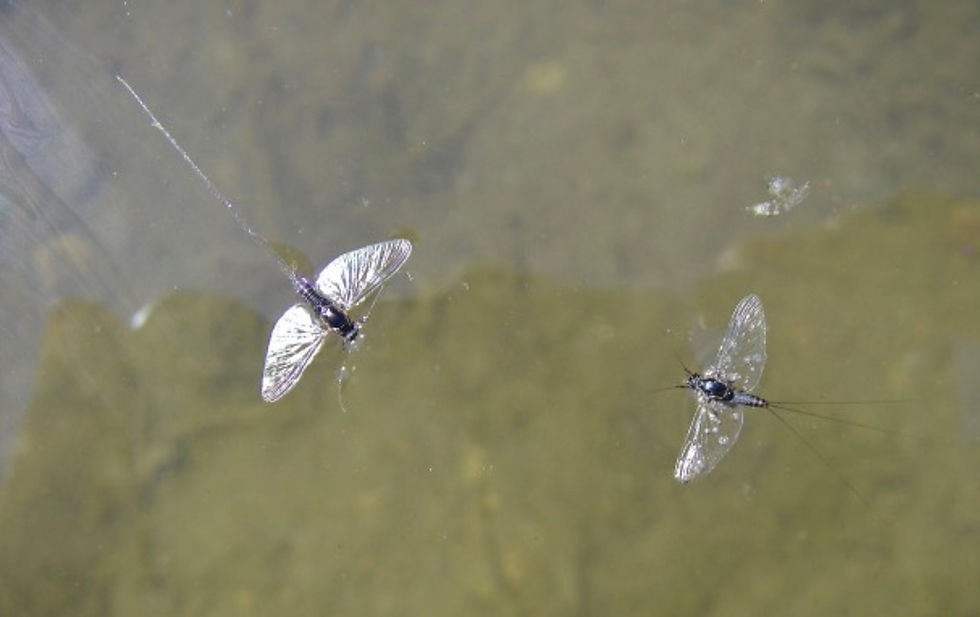
After mating, adult mayflies return to the river to deposit eggs and die. These spent insects lie flush in the surface film and can create excellent feeding opportunities when trout become focused on them. Their wings are usually splayed out to the side.

Best Flies for September Blue Wing Olives
Our two must-have September Baetis patterns are:
Hilbert's Daysaver Baetis size 22
Hilbert's Sexi Top May size 22–24
The Daysaver Baetis covers the subsurface side of the hatch, while the Sexi Top May gives us a strong option to fish beneath the surface film when trout begin looking toward the surface.

OTHER CRO FAVORITE BWO PATTERNS:
Day Saver May - BWO size 22
Sexi Top May - BWO size 22-24
Day Saver May - Gray Baetis size 22
Sexi Top May - Chocolate size 22-24
Juju Baetis - BWO size 22
Barrs Emerger - BWO size 22-24
Parachute Adams - size 22-24
How to Fish Blue Wing Olives in September
Start subsurface before you see consistent surface activity. A small baetis imitation behind a larger attractor or anchor fly can be extremely effective. As insects begin moving through the water column, adjust your depth accordingly. Once trout begin rising consistently, pay attention to the rise form.
A confident rise that breaks the surface may indicate adults. Subtle bulges or rises where you barely see the fish may indicate emergers just beneath the film.
This is small-fly fishing, so presentation becomes critical.
Longer leaders, accurate casts, and drag-free drifts can make a major difference.
And remember:
Clouds are your friend during BWO season.
When a cool, cloudy September afternoon rolls into Colorado, make sure your baetis box is nearby.

2. Tricos - Don't Put the Trico Box Away Yet
September arrives and many anglers immediately begin thinking about fall fishing. But don't put away your Trico box. Tricos remain extremely prevalent throughout September on many Colorado rivers and continue to play an important role in a trout's diet.
These tiny mayflies can create concentrated feeding windows, particularly during the morning. September Tricos are generally imitated in the size 22–24 range.

How to Identify Tricos
Tricos are extremely small mayflies.
Adults generally have:
Slender abdomens with bulky thorax
Clear wings
Dark thoraxes
Light or dark abdomens depending on sex and species
Three long tails
Their small size can make individual insects difficult to see. But a Trico spinner fall isn't always difficult to recognize. When thousands of insects gather above the river and eventually fall to the water, trout can begin feeding rhythmically on the surface. You may see multiple fish rising repeatedly within a relatively small section of river.

Trico Life Cycle
Tricos follow the mayfly life cycle:
Egg → Nymph → Dun → Spinner
For anglers, the spinner stage is particularly important.
Trico Nymph
Trico nymphs live underwater before emerging as adults.
Small, slender nymph patterns can imitate this stage, although the most recognizable Trico fishing frequently occurs later in the life cycle.
Trico Dun (Adult)
Tricos emerge as duns and eventually leave the water.
Depending on timing and conditions, trout can target these adults on the surface.
Trico Spinner
This is the stage many Colorado anglers wait for.
After mating, enormous numbers of Tricos can return to the water. Once they die, their wings spread flat and the insects become trapped in the surface film.
For a trout, this represents an incredibly easy meal.
The problem for the angler? Your size 22-24 artificial is competing against potentially thousands of naturals.
Presentation matters enormously.
Best Flies for September Tricos
Tricos are typically imitated with very small patterns in the size 22–24 range.
Carry both floating and drowned imitations.
CRO FAVORITE TRICO PATTERNS:
Angel Wing Trico size 22-24
Gould’s Drowned Trico size 22-24
Juan’s 180 Trico size 22-24
How to Fish Tricos in September
Morning is generally prime time. If you find rising fish, avoid immediately casting randomly into the group. Watch an individual trout. Determine its feeding rhythm. Then place your fly where that particular fish expects its next meal.
Accurate presentations are far more effective than repeatedly covering the entire pod. And don't overlook drowned adults. Trout don't exclusively eat Tricos floating perfectly on top of the water. Dead and drowned insects get pulled underneath the surface, creating an additional food source.
When fish stop confidently eating your dry, a drowned Trico imitation just beneath the surface can be extremely effective. We also love fishing a drowned Trico on a nymph rig.

3. Caddis - September's Underrated Dry-Fly Opportunity
September can bring a major increase in caddis activity on Colorado rivers. Under the right conditions, this can produce some of the best dry-fly fishing of the year. Caddis are especially important because trout can target multiple stages of their life cycle throughout the day. For September fishing, we want imitations representing:
Larvae → Pupae → Adults
Our typical September caddis range is approximately size 14–18.

How to Identify Caddis
Adult caddis are easily distinguished from mayflies once you know what you're looking for.
Rather than holding their wings vertically, caddis generally fold their wings over their body in a tent-like shape. They can resemble tiny moths.
Colors vary significantly but commonly include:
Tan
Brown
Olive
Gray
Cinnamon
Caddis are also far more active on the surface than mayflies. Instead of quietly floating downstream, adults may skate, flutter, bounce, or move across the water. That movement can trigger aggressive strikes.
Caddis Life Cycle
Unlike mayflies, caddis undergo complete metamorphosis:
Egg → Larva → Pupa → Adult
Each stage provides a unique fishing opportunity.

Caddis Larva
Larvae live along the river bottom. Depending on species, they may live inside cases or remain free-living. They are a common food source for trout and are available whether or not anglers see adult caddis flying around. One of our favorite larva patterns is Hilbert's Sexi Caddis Larvae.
Fish it close to the bottom as part of a nymph rig, especially when caddis are present but no obvious hatch has begun.

Caddis Pupa
The pupa stage is where things get particularly interesting. When caddis prepare to hatch, pupae move toward the surface. This upward movement creates a major feeding opportunity for trout. A Graphic Caddis is an excellent choice for imitating this transitional stage. If you begin seeing caddis activity but trout aren't confidently taking adults, try fishing a pupa higher in the water column.
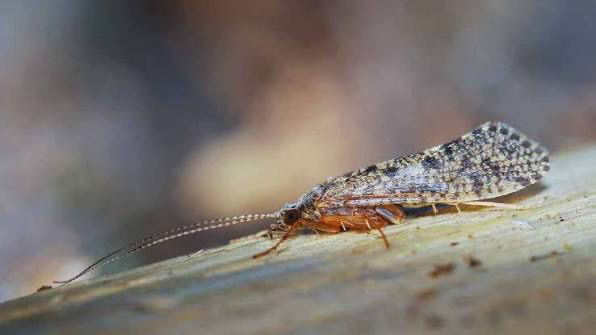
Adult Caddis
Adult caddis can create spectacular dry-fly fishing.
An Elk Hair Caddis remains one of the most productive and versatile adult caddis imitations ever created. Don't be afraid to give the fly a little movement. A slight twitch or skate can imitate the behavior of the natural insect and trigger a reaction from a trout that ignored a perfectly dead-drifted fly.

Best Flies for September Caddis
Three excellent choices are:
Hilbert's Sexi Caddis Larvae: Size 14–18
Graphic Caddis: Size 14–18
Elk Hair Caddis: Size 14–18
Together, those three patterns allow you to imitate the larval, pupal, and adult portions of the caddis life cycle.
Learn to tie Hilbert’s Sexi Caddis Larvae
OTHER CRO FAVORITE CADDIS PATTERNS:
Hilberts Sexi Caddis Larvae size 16-18
Hilbert’s Sexi Caddis Pupa size 16
Graphic Caddis in tan size 16
GTI Caddis size 16
Elk Hair Caddis tan size 16
How to Fish Caddis in September
Think vertically. Start near the bottom with larvae.
As activity increases, move toward pupae higher in the water column. When adults become active, switch to dries. September can also produce excellent afternoon and evening caddis activity, so don't assume the best fishing is over after the morning hatch. Watch the banks, eddies, foam lines, and slower seams for adults and when you see caddis bouncing around the surface, don't be afraid to add movement to your fly.

Don't Forget About October Caddis
Toward the end of September, another caddis becomes increasingly important:
October Caddis. October Caddis are dramatically larger than the tiny caddis anglers commonly fish throughout summer. They have an orange body and are significantly bigger (size 12-10). They can provide trout with a substantial meal and represents another reason to carry a few larger caddis patterns during late September. Even before anglers see large numbers of adults, trout can become familiar with the subsurface stages. If you're fishing Colorado in the final portion of September, having several October Caddis imitations in your box is a good idea.

CRO FAVORITE OCTOBER CADDIS PATTERNS:
Sedgeback October Caddis size 12-10
Umpqua’s Deep October Caddis Pupa size 12-10

4. Midges - It's Always Midge Season
If there is one rule Colorado fly anglers should remember, it's this: It's always midge season.
Midges are arguably the most consistent food source available to Colorado trout throughout the year.
They hatch in winter.
They hatch in spring.
They hatch in summer.
And they remain extremely important throughout September.
While larger insects sometimes get more attention from anglers, trout never stop eating midges.
How to Identify Midges
Midges are tiny aquatic insects belonging to the Chironomidae family. Adults can look similar to mosquitoes but do not have the same biting mouthparts.
They are generally:
Extremely small
Slender
Dark, olive, cream, gray, or black
Often seen in clusters around the river
Underwater, their larval and pupal stages are more important to anglers.
Midge Life Cycle
Midges undergo complete metamorphosis:
Egg → Larva → Pupa → Adult

Midge Larva
Midge larvae live near the river bottom. They are generally thin and worm-like. Red, cream, olive, and darker colors are common.

Midge Pupa
The pupal stage is extremely important. As midges prepare to hatch, they move upward through the water column toward the surface. This makes them vulnerable to feeding trout. Hilbert's Daysaver Midge is one of our favorite patterns for this situation.
For September, we particularly like:
Olive
Cream
Red

Adult Midges
Once adults reach the surface, trout may begin feeding on them in or around the film.
Because these insects are tiny, anglers occasionally misidentify a midge hatch as trout simply "eating something small."
When fish get picky, don't forget about midges.
Best Midge Flies for September
A small selection of realistic pupa patterns will cover many situations.
Hilbert's Daysaver Midge — Olive
Hilbert's Daysaver Midge — Cream
Hilbert's Daysaver Midge — Red
OTHER CRO FAVORITE MIDGE PATTERNS:
Juan’s Pale Ale Midge - Size 20-22
Juan’s Red Ale Midge - Size 20-22
Easdon’s Blindside Midge - Size 20-22
How to Fish Midges in September
Early mornings are a particularly good time to fish midges. Before the day's larger insects become active, trout may rely heavily on small midge larvae and pupae.
Midges are also one of our favorite adjustments when trout suddenly become picky.
If you're getting refusals, seeing fish feeding but can't determine what they're eating, or your larger nymphs suddenly stop producing, consider downsizing to a midge.
A small midge pupa fished behind another nymph can completely change the day.

5. Terrestrials - Hoppers, Ants and Beetles
September isn't exclusively about aquatic insects.
Terrestrials remain a major part of the equation.
Grasshoppers, ants, beetles, and other land-based insects remain prevalent along Colorado rivers throughout September.
Unlike a mayfly hatch, terrestrial fishing doesn't necessarily require a specific emergence.
These insects simply end up in the water and trout recognize them as an easy, calorie-rich meal.
Why Terrestrials Are So Effective in September
By September, trout have spent months seeing terrestrials fall into the river. They know what they are and they know they're worth eating. Hoppers are particularly attractive because of their size, but ants and beetles can be just as important. Sometimes more important.
Windy days can be especially productive.
A gust of wind can knock insects from grasses, bushes, and trees into the river, creating sudden feeding opportunities. If the wind starts blowing in September, don't automatically view it as a negative.
It might be time to throw a terrestrial.
Grasshoppers
Hoppers provide trout with a substantial meal.
Focus on:
Grassy banks
Undercut banks
Overhanging vegetation
Seams along shore
Slow pockets adjacent to faster water
A hopper can also serve as an excellent indicator in a hopper-dropper rig, allowing anglers to simultaneously cover the surface and subsurface.
Ants
Never underestimate ants. Ant falls can create surprisingly aggressive feeding behavior and unlike hoppers, we don't exclusively fish ants on the surface.
Drowned ants can be deadly. A small ant pattern sitting slightly below the surface can imitate an insect that has been trapped and submerged.
If trout are refusing your hopper, downsizing to an ant can sometimes immediately produce. A hopper fished in tandem with a flying ant can be a deadly combination.
Beetles
Beetles are another overlooked September food source. They're often dark, easy for trout to identify from below, and prevalent around vegetated banks.
A beetle plopping into calm water near an undercut bank can be difficult for a trout to resist.
Best Terrestrial Flies for September
Carry several sizes and profiles rather than relying on one terrestrial.
CRO FAVORITE HOPPER PATTERNS:
Morrish Hopper size 12-10
Yeti Hopper size 10
CRO FAVORITE ANT PATTERNS:
Eagan’s Bionic Ant size 16-14
Parachute Ant size 16-14
CRO FAVORITE BEETLE PATTERNS:
Unsinkabeetle size 14
How to Fish Terrestrials in September
Location is often more important than matching an exact insect. Put the fly where a natural terrestrial would realistically enter the river. Fish tight to grassy banks or over hanging brush.
Cast underneath overhanging vegetation.
Target undercuts. Cover soft pockets and edges. On windy days, pay particular attention to the downwind bank and don't be afraid to drown your terrestrial.
We particularly like this technique with ants.
Sometimes the difference between a trout refusing a terrestrial and confidently eating it is simply putting the fly 6 inches closer to the bank.

How Weather Affects September Hatches in Colorado
One reason September is such an interesting month is that conditions can change dramatically throughout the day. Cold mornings can transition into warm, sunny afternoons. A perfectly clear morning can become cloudy by lunch. Afternoon winds can suddenly introduce terrestrials into the river. Rather than fighting these changes, use them to decide what to fish.
Cool Early Morning
Think:
Midges and Tricos
Start small and pay attention to slow water where trout can efficiently feed.
Mid-Morning
Trico activity may intensify, particularly if a spinner fall develops.
Watch carefully for rising trout.
Cloudy Afternoon
Think:
Blue Wing Olives
Cloud cover can create excellent Baetis activity and extend feeding windows.
Warm, Sunny Afternoon
Think:
Caddis and terrestrials
Work grassy banks, structure, riffles, and seams.
Windy Afternoon
Think:
Hoppers, ants and beetles
Wind can be your friend when fishing terrestrials.
Evening
Think: Caddis
September evenings can still produce excellent adult caddis activity. The important takeaway is simple:
Don't fish September with one rig all day.
Pay attention to what the river is telling you.

What Flies Should You Carry for Colorado in September?
A good September fly box should allow you to imitate insects from the bottom of the river all the way to the surface.
At a minimum, we recommend carrying:
Baetis nymphs and emergers in size 20-24
BWO dries in size 20-24
Trico dries and drowned adults in size 22–24
Caddis larvae in size 14–18
Caddis pupae in size 14–18
Adult caddis in size 14–18
Small midge larvae and pupae size 20-22
Hopper patterns size 12-8
Ant patterns size 16-18
Beetle patterns size 14
Several larger October Caddis patterns for late September size 12-10
The exact pattern doesn’t always matter.
But having the correct size, life stage, depth, and presentation is critical.
A perfect imitation fished six feet underneath trout eating emergers in the film isn't the perfect fly anymore.
You not only need the right fly, but it needs to be where the trout want it.

Why September Is One of the Best Months to Fly Fish Colorado
The hatches alone would make September special. But there's much more to it.
September brings some of the most beautiful conditions we see all season. The summer crowds begin thinning out. Mornings become crisp. Daytime temperatures become more comfortable. Hillsides transition from summer green to brilliant yellows and golds as Colorado's aspens begin changing and on the river, cooler nights help bring water temperatures down.
That's particularly important following the warm-water conditions Colorado has experienced during summer.

On the Roaring Fork River, summer temperature-related restrictions have been lifted, opening the river back up and providing anglers with additional opportunities as we transition into fall. That combination of cooler water, diverse insect activity, lighter crowds, and spectacular fall scenery makes September difficult to beat.
You might spend the morning casting size 24 Tricos to sipping trout, switch to a hopper along the banks during the afternoon, and finish the day throwing caddis dries. There aren't many months that offer that variety.
Where to Fly Fish in Colorado During September
At Colorado River Outfitters, September gives us access to several incredible fisheries throughout Western Colorado.
Depending on conditions, our guides may fish:

Colorado River
The Colorado offers excellent float-fishing opportunities and a diverse September menu including Baetis, caddis, midges, Tricos, and terrestrials. Currently the upper sections above pinball have no restrictions.

Roaring Fork River
With cooler conditions and summer temperature-related restrictions lifted, the Roaring Fork is once again an outstanding September option.
Its diverse water, strong trout population, and excellent insect life make it one of our favorite fall fisheries. Currently there are no fishing restrictions on the Roaring Fork.

Eagle River
The Eagle can provide excellent technical fishing, particularly for anglers who enjoy matching smaller insects and targeting trout in pocket water, riffles, and deeper runs. The Eagle is currently closed to fishing below Lake Creek in Edwards, but conditions have improved immensely in the last couple weeks.
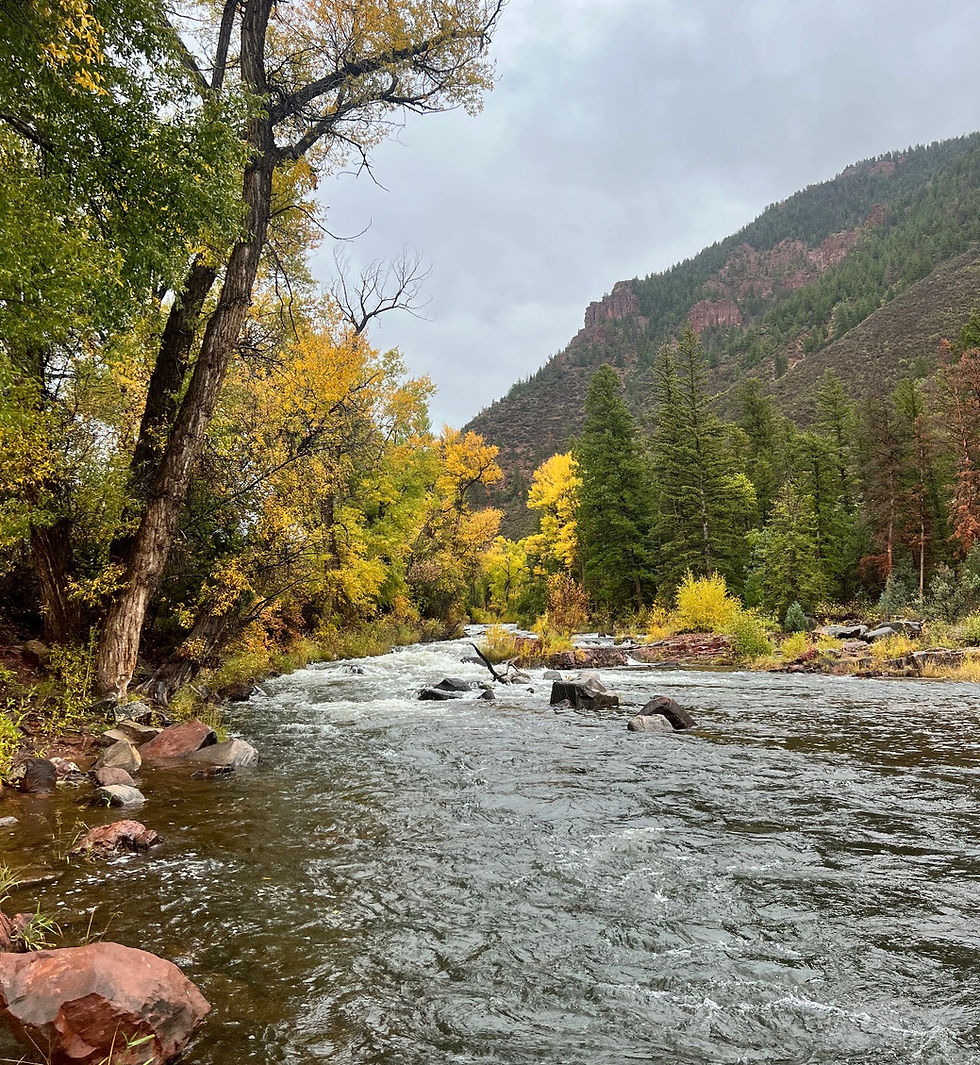
Frying Pan River
For anglers who enjoy technical dry-fly and small-nymph fishing, the Frying Pan is always worth considering. Its famous trout see plenty of anglers, so accurate presentations and matching the hatch can become extremely important. There are currently no restrictions on the Frying Pan.
Book a September Fly Fishing Trip With Colorado River Outfitters
September doesn't get the same attention as the middle of summer. We think that's a mistake. For many of our guides, September is one of the months we look forward to most.
Cooler mornings.
Cooler water.
Lighter crowds.
Changing leaves.
Diverse hatches.
And trout that are beginning to transition toward fall.
Whether you're staying in Vail, Beaver Creek, Avon, Eagle, Glenwood Springs, Aspen, or elsewhere in Western Colorado, Colorado River Outfitters offers guided fly-fishing trips designed around current conditions rather than simply fishing the same water every day.
Our guides monitor river flows, water temperatures, insect activity, weather, and recent fishing reports to determine where we believe you'll have the best experience.
Beginners are welcome.
Experienced anglers are welcome.
Families are welcome.
And if you're a serious angler who wants to spend the day chasing tiny Baetis eaters on light tippet, we're more than happy to do that too. September is a short window between summer and fall. Don't miss it.
Book your September fly-fishing trip with Colorado River Outfitters and experience one of the most beautiful, and productive times of the year to fish Colorado.

Colorado September Fly Fishing FAQ
1. What insects hatch in Colorado in September?
The primary Colorado hatches in September include Blue Wing Olives, Tricos, caddis, and midges, while terrestrial insects such as grasshoppers, ants, and beetles remain important food sources. Blue Wing Olives become especially important as temperatures cool, while Tricos can continue producing excellent morning dry-fly fishing. Late September can also bring increasing October Caddis activity.
2. What are the best flies for Colorado fly fishing in September?
Some of our favorite September flies include Hilbert's Daysaver Baetis and Sexi Top May in size 20–24 for Blue Wing Olives; small Trico dries and drowned adults in size 20–24; Hilbert's Sexi Caddis Larvae, Graphic Caddis, and Elk Hair Caddis in size 14–18; Hilbert's Daysaver Midge in olive, cream, and red; and hopper, ant, and beetle patterns. Carrying multiple life stages is often more important than carrying dozens of unrelated patterns.
3. Is September a good month for fly fishing in Colorado?
Yes. September is one of the best months for fly fishing in Colorado. Cooler nights help lower water temperatures, summer crowds begin to decrease, fall colors appear, and trout have access to a diverse range of insects. Anglers can encounter Blue Wing Olive hatches, Trico spinner falls, caddis activity, midges, and excellent terrestrial fishing during the same trip.
4. What time of day is best for fly fishing Colorado in September?
There isn't one universal best time because September fishing changes throughout the day. Early mornings can produce midges and Tricos, cloudy afternoons can trigger Blue Wing Olive activity, warmer afternoons can be excellent for caddis and terrestrials, and evenings may bring renewed caddis activity. The best strategy is to adjust your flies and presentation as conditions and insect activity change.
5. Where is the best fly fishing in Colorado in September?
Western Colorado offers numerous excellent September fisheries. The Colorado River, Roaring Fork River, Eagle River, and Frying Pan River are all strong options depending on flows, temperatures, weather, and current hatch activity. Rather than selecting a river weeks in advance, Colorado River Outfitters guides evaluate current conditions to determine the best option for each trip.

Final Thoughts: Don't Overlook September
September is a transition month and that's exactly what makes it so good. Summer isn't completely gone, Hoppers, ants, beetles, Tricos, and caddis remind us of that. But fall is clearly approaching,
the mornings are cooler, the leaves begin changing, baetis become increasingly important, October Caddis aren't far behind. For anglers, that creates an incredible variety of opportunities.
Our biggest piece of advice?
Come prepared to change.
Don't decide at the boat ramp that you're fishing a hopper-dropper all day. Watch the river, watch the weather, look underneath rocks, be observant, pay attention to rise forms, notice what's flying around the boat. Change your depth, change your size and think about the life cycle of the insect, not just the name printed on the fly bin.
That's what matching the hatch is really about, and when you get it right on a cool September day in Colorado, with golden aspens lining the river and trout rising in front of you, there aren't many better places to be.
Ready to experience September fly fishing in Colorado? Book a trip with Colorado River Outfitters and let our guides show you why this is one of our favorite months of the entire season.
Good luck out there!
-The CRO Team
Call or text! 970-236-1937


Comments