


October Hatch Guide - everything you need to know about Colorado hatches in October.

October is one of the most exciting months to fly fish in Colorado.
Crisp mornings, golden cottonwoods, snow-dusted peaks, and trout feeding beneath the surface of clear fall water make this a month worth planning a trip for.
Around the Vail Valley, the Colorado River, Eagle River, Roaring Fork River, and Frying Pan offer everything from technical fly fishing to the possibility of a trophy trout crushing a streamer.
The menu changes as fall settles in. Tiny midges and blue wing olives continue to be increasingly important, larger food sources can tempt opportunistic trout, and the brown trout spawn brings both drifting eggs and a responsibility to protect the fishery.
You might begin the day nymphing a size 22 midge, spend the afternoon casting a Sparkle Dun to rising trout, and finish by working a streamer through a deep bank-side pocket. October rewards anglers who pay attention and adapt.
Below, we’re breaking down five important October food categories, including life cycles, identification, recommended flies, presentation, and guide tips to help you make the most of Colorado fall fly fishing.
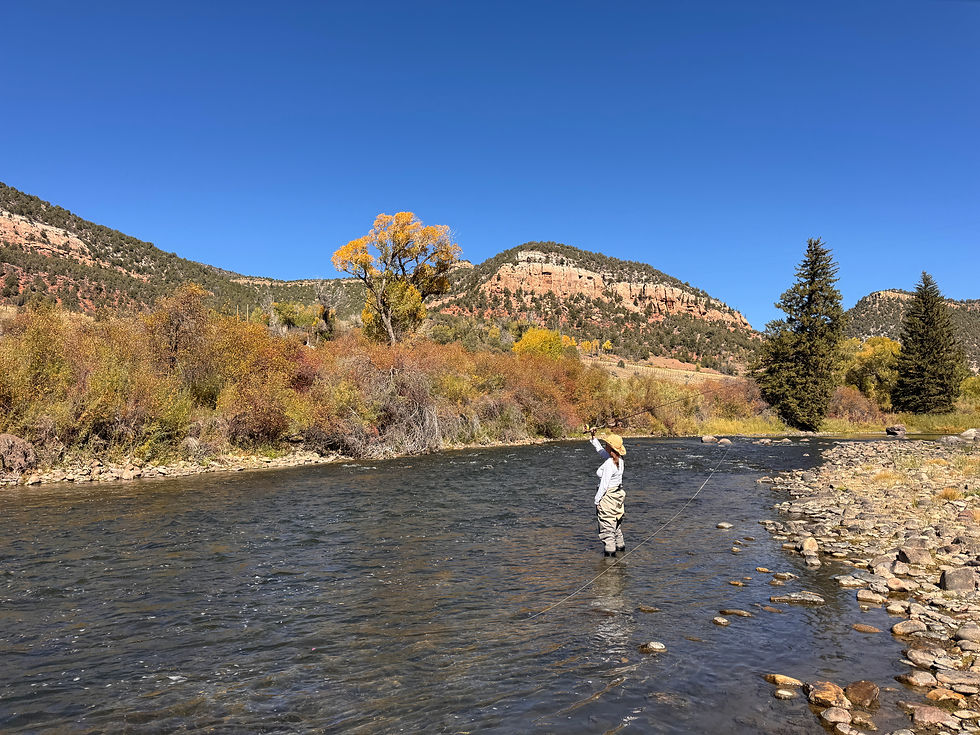
What Hatches in Colorado in October?
For this October guide, we’re focusing on:
1. Midges
2. Blue wing olives
3. Caddis
4. Streamer fishing: sculpin, baitfish, and crayfish imitations
5. Eggs associated with the brown trout spawn
6. Opportunistic food sources: worms, leeches, cranefly larvae, stoneflies, and crayfish
Midges and blue wing olives are the insect hatches in this lineup. The remaining categories round out the feeding opportunities anglers should understand. Depending on the river and weather, other insects, including caddis and lingering terrestrials, can still matter. This chart is a practical starting point rather than an exhaustive statewide hatch calendar.

1. Midges — Small Flies, Big October Importance
Midges deserve space in every October fly box. As other insect activity becomes less dependable, these tiny insects remain a reliable food source. Their size doesn’t limit the size of the fish eating them: a large trout can feed efficiently on a steady supply of small insects.

How to Identify Midges
Adult midges resemble tiny mosquitoes, although the non-biting midges important to trout fishing aren’t mosquitoes. Look for slender bodies, delicate legs, and small insects hovering over the water or collecting in sheltered areas.
Underwater, larvae are slim and wormlike. Pupae develop a more pronounced thorax as they prepare to emerge. Black, olive, red, and brown imitations provide a useful range of options.
Midge Life Cycle
Egg → Larva → Pupa → Adult
Midges undergo complete metamorphosis.
Understanding the larval and pupal stages is especially useful because much of October midge fishing happens underwater.

Midge Larva
Larvae live in aquatic habitats that include bottom sediments and vegetation. When they become available in the drift, trout can eat them without leaving a comfortable feeding position. Start with a slender imitation near the bottom, adjusting weight to reach the feeding lane without repeatedly snagging.
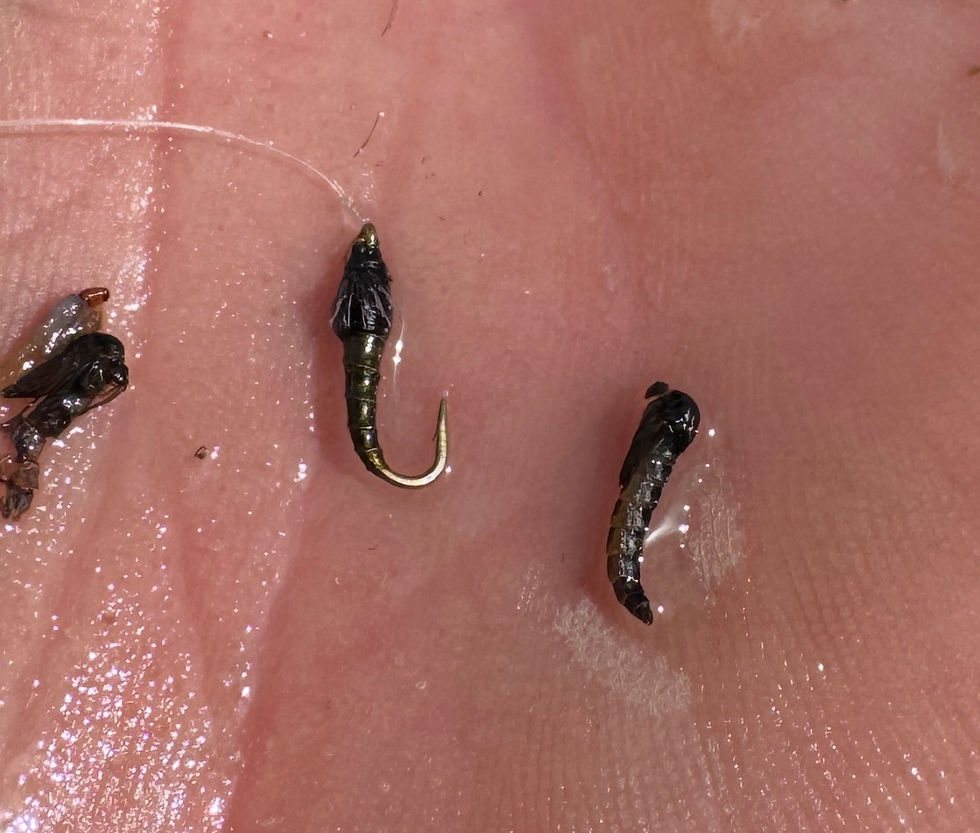
Midge Pupa
As pupae move toward the surface, trout may begin feeding higher in the water column. A deep rig that worked earlier can pass beneath those fish once emergence begins. Adjust depth and/or weight before assuming your pattern is wrong.

Midge Adult
Adults emerge at the surface and can collect along quiet seams and backeddies. Gentle rises or subtle bulges may reveal fish feeding on emerging insects or adults. The patterns below emphasize the subsurface stages; add an adult or cluster imitation (such as a renegade) when you find trout feeding on top.
Best Flies for October Midges
● Day Saver Midge: size 20–22; black, olive, red, and brown
● Blindside Midge: size 20–22; black
● Zebra Midge: size 20–22; black, red, and brown
● Juan’s Pale Ale Midge Larvae: size 20
How to Fish Midges in October
Focus on soft seams, inside current lanes, deeper runs, and pockets where trout can feed without fighting the strongest current. A small midge behind a heavier lead fly is a useful starting point.
Keep your indicator sensitive, manage slack, and adjust weight and depth as the water changes. In clear, low flows, a careful approach and a clean drift often matter more than changing colors repeatedly.
CRO Guide Pro Tip — Matt Fletcher
“Before changing your midge, change its depth. Make a few deliberate adjustments to weight and indicator position until the fly travels through the trout’s feeding lane. Remember trout are always looking up and will often suspend when feeding on pupa, if you’re drifting under them, they might not be able to find your fly. Sometimes going shallower is the ticket!”

2. Blue Wing Olives — October’s Must-Watch Hatch
Blue wing olives can deliver some of the most rewarding dry-fly fishing of the fall. These small mayflies, often called baetis, provide opportunities before, during, and after emergence.
Fall insects can be tiny. Start with the size 22 patterns below and match what you actually see. A cool, cloudy afternoon is a good reason to have your BWO box within reach.
How to Identify Blue Wing Olives
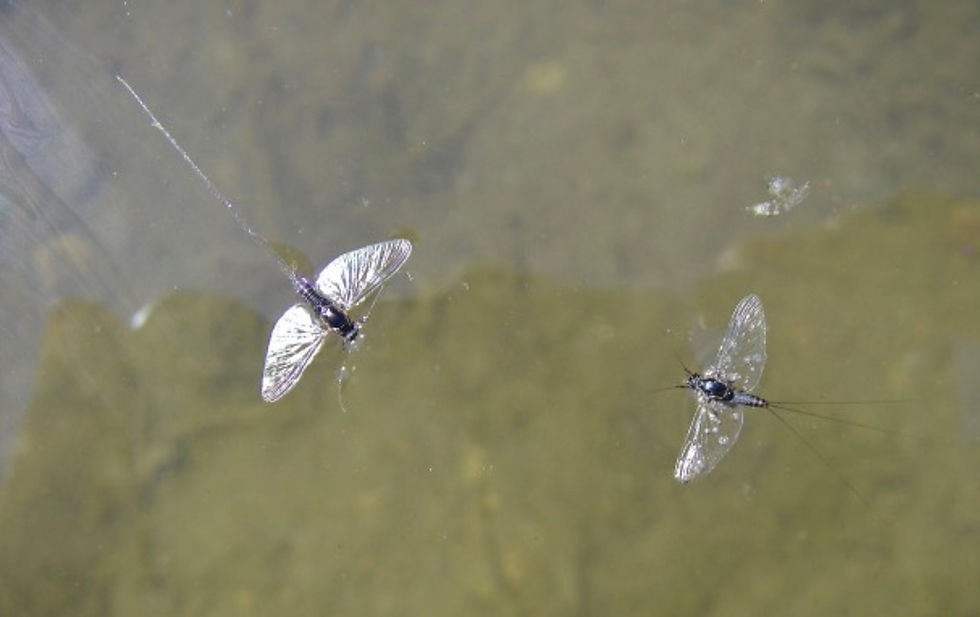
Adults typically have upright gray or slate-colored wings and slender olive, brown, or gray bodies. Baetis adults have two tails. Their wings give them the familiar little-sailboat appearance as they drift downstream.
Nymphs have a streamlined swimming profile. Watch for tiny mayflies on the surface, but also watch the trout: fish may begin eating nymphs and emergers well before obvious dry-fly activity develops. Watch for flashes or abrupt fish movement.
Blue Wing Olive Life Cycle
Egg → Nymph → Dun → Spinner
Emergence is the transition from the underwater nymph to the winged dun. It is a feeding opportunity worth treating separately in your fly selection.

BWO Nymph
Nymphs live underwater around riverbed habitat and become available as they move or enter the drift. Before a hatch, fish small baetis patterns through productive runs and seams. The Day Saver May and Juju Baetis are excellent options for covering this subsurface profile.

BWO Emerger
During emergence, trout may concentrate on insects immediately beneath or within the surface film. Bulging rises and flashes below the surface can be clues. Barr’s Emerger and Sexi Top May give you options when trout are feeding higher but refusing a floating adult imitation.

BWO Dun
Duns ride the surface after emerging before flying away. Cool conditions can prolong their vulnerability. When trout are confidently taking insects from the top, a size 22 Sparkle Dun offers a low-riding adult and emerging-dun profile.
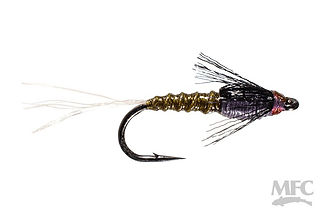


Best Flies for October Blue Wing Olives
● Day Saver May – BWO: size 22
● Day Saver May – Grey Baetis: size 22
● Juju Baetis: size 22; BWO or purple
● Barr’s Emerger: size 22
● Sexi Top May – BWO: size 22
● Sexi Top May – Chocolate: size 22–24
● Sparkle Dun: size 22
How to Fish Blue Wing Olives in October
Begin underwater, then follow the hatch upward. As trout shift toward emerging insects, shorten the depth of your presentation or use a shallow dropper. When they commit to adults, switch to the dry.
For surface fishing, a 9–12-foot leader with 5x or 6x tippet is a practical starting point. Position yourself for a drag-free drift, and aim at an individual fish’s feeding lane instead of repeatedly casting across the entire pool.
CRO Guide Pro Tip — Matt Weldon
“Watch a trout through several rises before making your cast. If it keeps bulging just beneath the surface, try an emerger before another dry. Once you know where and how the fish is feeding, place one clean drift in that lane. Accurate presentation usually beats repeated casting.”

3. Caddis & October Caddis — Don’t Put the Caddis Box Away Yet
Midges and blue wing olives get plenty of attention in October, but caddis still deserve a place in your fly box.
Smaller fall caddis can provide opportunities on milder afternoons, while larger October caddis offer a substantial meal where they occur. Activity varies by river, elevation, and weather, so watch the water rather than assuming every October day will bring a dependable caddis hatch.
Carry patterns that cover larvae, pupae, and adults. Trout may be eating caddis underwater even when you don’t see a single insect flying.

How to Identify Caddis
Adult caddis resemble small moths. Unlike mayflies, which hold their wings upright, caddis generally fold their wings over their bodies in a tent-like shape.
Look for:
* Long antennae
* Tent-shaped wings
* Tan, brown, gray, or olive coloration
* Adults fluttering around streamside vegetation or moving across the water
For smaller fall caddis, sizes 14–18 provide a useful starting range.

What Makes October Caddis Different?
October caddis are larger fall-emerging caddis associated with suitable Western river habitats. Adults commonly have brown wings and an orange or rusty body, making them much easier to notice than the tiny baetis sharing the river.
Carry larger imitations in sizes 8–12, then match the insects you find.
Look around streamside rocks, vegetation, and sheltered banks. Their presence does not necessarily mean trout will be rising throughout the day.
Subsurface presentations can be especially important, and adult activity may become more noticeable toward evening.
Caddis Life Cycle
Egg → Larva → Pupa → Adult
Caddis undergo complete metamorphosis. Each stage creates a different feeding opportunity, and the stage trout are eating should guide both your fly selection and presentation.

Caddis Larva
Caddis larvae live underwater. Depending on the species, they may build protective cases, construct retreats, or move freely among rocks.
Some have slender, segmented bodies in shades of green, olive, cream, or tan. When larvae become dislodged and enter the current, trout can intercept them near the bottom.
October caddis larvae are case builders. Their protective cases help explain why a large, exposed larva imitation is not automatically the best choice simply because adults are present. Smaller caddis species living in the same water can still make a conventional larva pattern productive.
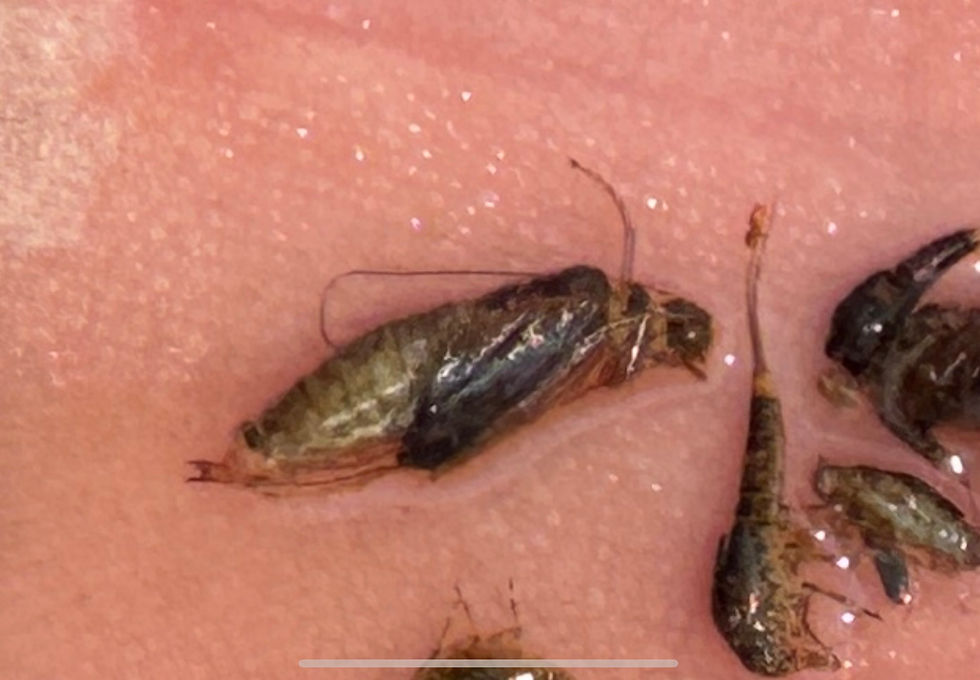
Caddis Pupa
The pupal stage is often the most important part of a caddis emergence for anglers.
As pupae leave their shelters and move toward their emergence location, they become vulnerable. Depending on the species, that movement may carry them through the water column or toward rocks and shore.
October caddis commonly move toward the margins and crawl out to complete emergence. That makes near-bottom presentations, bank-side seams, and water around shoreline rocks worth particular attention.
A big pupa fished beneath the surface may produce even when adult dry-fly activity is limited.

Caddis Adult
Adults return to the water during egg laying, creating another opportunity for trout. Some caddis flutter, skate, or touch down repeatedly. Others spend time riding the surface or become submerged. Those differences explain why trout may respond to a dead-drifted dry, a gently moving fly, or a drowned adult.
Observe the naturals before deciding how much movement to give your imitation.
Best Flies for October Caddis Fishing
CRO FAVORITE SMALLER CADDIS PATTERNS:
• Hilbert’s Sexi Caddis Larvae: size 14–18
• Graphic Caddis: size 14–18
• Sparkle Pupa or soft-hackle caddis: size 14–18
• Elk Hair Caddis: size 14–18; tan, olive, or brown
• X-Caddis: size 14–18
LARGER OCTOBER CADDIS OPTIONS:
• Deep October Caddis Pupa: size 8–12
• October Caddis Soft Hackle: size 8–12
• Sedgeback October Caddis: size 8–12
How to Fish Caddis in October
Start Underwater
Before you see surface activity, fish a caddis larva or pupa through productive riffles, seams, and runs.
For October caddis, concentrate on suitable rocky habitat and the softer water approaching the banks. Use enough weight to reach the feeding lane without constantly dragging or snagging.
A caddis imitation paired with a small midge or baetis pattern can cover two important food sources in the same drift.
Add Movement When It Makes Sense
Begin with a natural drift. If a dead drift presentation isn’t producing results, allow a controlled swing or gentle lift at the end of the presentation.
Stay connected to the fly. A fish may eat as the pattern changes speed or rises.
For larger October caddis pupae, a slow presentation near the bottom and toward structure can be more appropriate than a fast swing through the surface.
Watch for Adult Activity
When you see adults touching the water and trout taking them, switch to a dry.
Start with a drag-free drift. If the naturals are actively moving, try a small twitch or short skate followed by a pause. Avoid pulling the fly continuously across the pool unless the fish clearly respond to that movement.
A large October caddis dry can also serve as a searching pattern along suitable banks, with a small dropper beneath it. Let the trout’s response determine whether that approach belongs in the day’s rotation.
CRO Guide Alex Minnillo Pro Tip — Follow the Caddis Toward the Banks
“When you find caddis around shoreline rocks or vegetation, don’t immediately assume you need a big dry fly. Try a pupa near the bottom along the adjacent seam first. Watch for feeding fish, then move to an adult imitation when their behavior supports it. Follow the insect’s movement and give trout the stage they want.”
Why Caddis Belong in Your October Fly Box
October fishing can shift from tiny insects to a much larger meal within the same stretch of river.
Having caddis larvae, pupae, and adults gives you another way to respond when trout change their feeding behavior. It also adds to what makes a fall float or wade with Colorado River Outfitters so exciting: varied fishing, beautiful scenery, and opportunities that reward a close look at the river.

4. Streamer Fishing — Hunting October Trophy Trout
October is a month to circle on the calendar if you enjoy searching for big trout. Streamer fishing gives you a chance to show a substantial meal to fish holding around cover, especially during low light or overcast weather.
This is deliberate hunting. Choose promising structure, put the fly at the right depth, and change its movement until you learn what draws a response. A trophy fish is never guaranteed, but October offers compelling reasons to spend time with a streamer rod in hand.
What Are You Imitating?

Mottled Sculpin
Mottled sculpin are bottom-oriented fish with broad heads, prominent pectoral fins, and mottled coloration. A sculpin presentation should suggest prey moving close to rocks and cover. Get the fly down, then use short movements and pauses rather than always racing it through the upper water column.

Crayfish
Where crayfish are present, they provide a substantial meal. Olive, brown, and rusty profiles can suggest them, particularly when worked near the bottom with short pulls and pauses. An articulated streamer is a broad prey suggestion rather than a precise crayfish imitation; a dedicated crayfish pattern is worth carrying when that profile matters.

Baitfish/Whitefish
Streamer patterns can also suggest small whitefish moving through the river. A quicker retrieve or cross-current swing may trigger a chase. Match the motion to the prey and conditions instead of relying on one retrieve all day.
Best Streamers for October
● Barely Legal
● Thin Mint
● Rusty Trombone
● Sex Dungeon
● Kreelex
● Sparkle Minnow
Carry different weights, profiles, and colors. The fly that casts comfortably into a shallow pocket may be different from the one you need to reach a deep bank-side slot.

Streamer Gear and Strategy
A 6- or 7-weight rod is a useful choice for many streamer situations. Use a leader stout enough to turn over the fly and land fish efficiently—often around 0X–2X, adjusted to the pattern and water.
A floating line can work well in shallow water. A sink-tip or sinking leader can help reach deeper holding water, but choose the sink rate for the depth and current rather than simply using the fastest option. Not most situations on our rivers, a floating line with a weighted streamer is a good all around starting point.
Target undercut banks, submerged boulders, wood, current seams beside deep water, and pockets that give a trout cover and access to food. Avoid spawning areas.
Change your action as well as your retrieve. Short strips, long pulls, swings, and pauses all create different movements. If a trout follows without eating, try a smaller profile, a different speed, or a change in pace on the next presentation.
CRO Guide Pro Tip — Brian Hilbert
“Vary your retrieve before giving up on a fly. Try two short strips and a pause, then a slower pull that lets the fly stay near the bottom. Watch how the fly behaves and how fish respond. The pause can be just as important as the movement, so stay connected and ready when you stop stripping.”

5. Eggs — Understanding the Brown Trout Spawn
Brown trout spawn in the fall, with timing varying between rivers and conditions. As eggs become available in the drift, non-spawning trout may take advantage of this concentrated food source.
Egg fishing requires awareness of the habitat around you. At Colorado River Outfitters, the fishery comes first. Productive fall fishing and protection of spawning trout must go together.

What Is a Redd, and How Do You Identify One?
A redd is a spawning nest excavated in gravel. Look for a lighter, cleaner-looking patch against darker surrounding riverbed, often with a shallow depression and displaced gravel. Redds commonly occur where flowing water passes through suitable gravel, including shallow riffles and tailouts.
Paired fish, a trout turning on its side and digging, or fish repeatedly occupying a clean gravel patch are strong reasons to leave that area should be left alone.
Angler Responsibilities During the Spawn
● Do not target actively spawning trout or fish occupying redds.
● Do not walk, anchor, or fish on spawning gravel.
● Avoid redds even when no fish are visible. Eggs may remain buried there.
● Choose access routes that avoid spawning habitat.
● Fish non-spawning trout in separate feeding water away from redds.
● Keep fish wet, handle them gently, and release them promptly.
A visible large brown trout on shallow spawning gravel is a fish to protect. Find another run and let it complete the job that supports future fishing.

Fishing a Pegged Bead System
A pegged bead is an egg imitation secured on the tippet above a separate bare hook. The bead supplies the egg profile, and the hook trails a short distance behind it. This technique gained popularity in Alaska and has since become very popular for fishing eggs. When the trout eats the bead and the angler sets the hook, the trailing hook hooks the fish in the corner of the mouth and eliminates the risk of trout taking an actual egg fly deep or swallowing it.
This tactic has gained a lot of scrutiny and negativity due to incorrect setup, which leads to hooking fish in other areas besides the corner of their mouth. If you’re going to peg, here’s how CRO recommends your setup; use a size 16 barbless hook positioned 1–1.5 inches below the bead.
Thread the bead onto your tippet going through the bead 3 times, tie on the hook about 1-1.5 inches from the bead. Place any needed weight or a weighted fly above the bead and use a controlled drift through non-spawning fish’s feeding water.
Correct rigging matters. An oversized hook or a bead fixed too far from the hook will increase the chance of injuring the fish, including hooking the fish around the gill plate, eyes or fins. If you are repeatedly hooking fish outside the mouth, stop and reassess the rig and presentation. When done correctly, this is a very effective method but it’s important to always keep the distance from the bead to the hook at 1-1.5 inches and never use larger than a size 16 barbless hook.
Other Recommended Egg Patterns
● Hans’ Sunny Side Up Egg
● Nuke Egg
● Glo Bug
Carry small profiles in several shades and adjust color to what the fish want, usually shades of orange or peach work best in the fall. Fish them with enough weight to reach the feeding lane while maintaining a natural drift. An egg paired with a midge or baetis pattern can cover more than one food source, where that rig is permitted.
CRO Guide Pro Tip — Chris Stella
“An egg pattern can be an excellent lead fly on a three-fly nymph rig, followed by a small baetis imitation and a midge. The egg adds a noticeable food source while the trailing flies match the smaller insects trout regularly eat in October.”

5. Opportunistic Food Sources — Keep a Few Bigger Meals in the Box
Tiny insects matter in October, but trout can also take larger offerings as they build and maintain energy reserves heading toward winter. Worms, leeches, cranefly larvae, stonefly nymphs, and crayfish belong in the fall box even when there is no obvious hatch associated with them.
These patterns will not work every day. Think of them as additional food profiles to test, especially when fish aren’t visibly concentrating on one small insect.
Cranefly larvae and leeches deserve particular attention.

Worm Patterns
Aquatic worms and terrestrial worms entering the water can offer an easy meal. A San Juan Worm or similar slim pattern is worth trying when a small insect rig needs a different lead fly. Fish it naturally rather than assuming a bright color alone will make it effective.

Leeches
Leech imitations provide movement and a soft, substantial profile. Carry black, olive, and brown options. Dead-drift them through runs or use a slow retrieve in suitable water, letting the materials move between pulls. A compact leech with a small midge or BWO trailing behind it makes a useful combination.

Cranefly Larvae
Cranefly larvae are fleshy, segmented, wormlike food items associated with suitable wet-bank and bottom habitats. They are different from the long-legged adults anglers recognize on land. Hilbert’s Philly Cheese Cranefly is an option for covering that larger larval profile. Fish it near the bottom and trail two smaller imitations to give trout another option.

Stonefly Nymphs
Stonefly nymphs remain underwater between adult emergence periods. Rocky, oxygenated habitat can make a stonefly profile relevant even without a fall hatch. A Pat’s Rubber Legs or similar imitation can serve as a larger food offering and help deliver a smaller trailing fly.

Crayfish
Crayfish remain worth considering where the river supports them, although activity changes with cooling water. Fish a crawfish “dead drift” similar to how you would fish a stonefly. Hilbert’s Mud Hustler offers an excellent crayfish profile to carry alongside your insect imitations.
CRO Guide Pro Tip — Tim McAdow
“Carry a cranefly larva and a leech even when everyone is talking about size 22 baetis. Try one as the lead fly with a small hatch-matching pattern behind it. Adjust your depth first, then watch which fly gets eaten. Let the fish tell you whether the bigger meal belongs in that day’s rotation.”

How Weather Affects October Fishing in Colorado
Cold Early Morning
Start with subsurface midges and baetis in comfortable holding water. A freezing dawn may mean the more productive insect activity comes later. Give the river time to warm and watch for changes in feeding position. This is also a great time to throw streamers.
Late Morning Into Afternoon
Watch for midges and blue wing olives becoming active. As trout move higher in the water column, adjust from deep nymphs toward emergers and dries.
Cloudy or Lightly Snowy Weather
Keep BWO imitations handy. Overcast fall weather can offer excellent small-fly fishing, while subdued light may also make streamer presentations worth being the go-to.
Bright, Clear Weather
A beautiful sunny day in October is not always the best fishing day. Often your best bite will be early but high bright sun will move fish into deeper water. Streamer fishing usually (but not always) suffers here. Nymphing in the deeper faster water will typically provide the best action.
Low Light
Consider streamers through suitable holding water. Keep them away from redds and fish actively spawning, regardless of how promising the area looks.
What Flies Should You Carry for Colorado in October?
A useful October box includes:
● Midge larvae and pupae in size 20–22, including Juan’s Pale Ale Midge Larvae in size 20
● BWO nymphs and emergers in size 22, plus Sexi Top May Chocolate in size 22–24
● Sparkle Duns in size 22, with adult midge and spent-spinner options for surface feeding
● Caddis larvae, pupa and adult patterns with a few October caddis imitations as well.
● Barely Legal, Thin Mint, Rusty Trombone, and Sex Dungeon streamers in different weights and profiles
● Small egg patterns and, where permitted, beads with size 16 barbless hooks
● Worms, leeches, cranefly larvae, stonefly nymphs, and crayfish imitations
Bring a range of food types, but focus on the details that make them effective: size, stage, depth, movement, and drift. The best pattern in the box still needs to reach the trout in a believable way.

Why October Is One of the Best Months to Fly Fish Colorado
October puts some of our region’s best qualities together: beautiful rivers, comfortable fall afternoons, small-fly opportunities, and the excitement of searching for a memorable trout.
Early October can bring golden cottonwoods and lingering aspen color; later in the month, bare branches and fresh snow give the valleys a different beauty. Color timing varies with elevation and weather, but the scenery remains a major part of the experience.
For anglers who love variety, October is hard to beat. You can work a technical BWO hatch, learn how to get a tiny midge into the right lane, or spend a day making purposeful streamer casts into trophy water.

Where to Fly Fish in Colorado During October
Colorado River
The Colorado provides outstanding settings for a fall float, with opportunities to cover banks, seams, deeper runs, and changing insect activity. A float lets anglers explore a range of water while enjoying the canyon and riverside scenery. The Colorado is also one of the best streamer fisheries in the region.
Roaring Fork River
The Roaring Fork offers diverse holding water and opportunities for nymphs, dries, and streamers as conditions allow. Its combination of riffles, runs, and structure gives adaptable anglers plenty to work with, all while being surrounded by beautiful fall scenery.
Eagle River
The Eagle is a compelling choice for anglers who enjoy wading, reading smaller current lanes, and making precise presentations. Low autumn flows can demand a careful approach and thoughtful positioning, but the rewards are incredible.
Frying Pan River
The Frying Pan rewards anglers who enjoy technical small-fly fishing. Midges, baetis, and patient observation can be central to the experience, especially when trout become selective.
Our guides choose water around current flows, weather, access, fish behavior, and your goals. Check current restrictions and river-specific tackle rules before fishing, including whether your intended bead rig is permitted.

Book an October Float or Wade Trip With Colorado River Outfitters
If you have been waiting for a reason to book a Colorado fall fishing trip, this is it.
October offers the chance to fish beautiful Western Colorado rivers at a spectacular time of year. Picture a crisp morning on the Colorado, gold leaves along the banks, and a big trout turning on your streamer. Or spend an afternoon on the Eagle watching a fish rise steadily to tiny blue wing olives before your fly settles into its lane.
Book a fall float to cover water and explore trophy-trout opportunities, or a guided wade to slow down, study the river, and make precise presentations.
Whether you’re a first-time angler or an experienced fisherman hoping to improve your streamer game, our guides build the day around your goals and the conditions. We pay attention to the details that matter: where trout are feeding, what they are eating, and how to present the fly.
October’s trophy potential is exciting, and so is the everyday fishing that makes a fall trip memorable. Come for the possibility of a big fish; enjoy the scenery, learning, and time on the river along the way.
The days get shorter, weather changes quickly, and this season passes fast. Make your October plans now and let CRO show you what fall fly fishing in the Vail Valley and Western Colorado can offer.
Call or text 970-236-1937 to book your fall float or wade trip.
Colorado October Fly Fishing FAQ
1. What insects hatch in Colorado in October?
Midges and blue wing olives are important October hatches on many trout rivers. Other insects, including caddis, can still matter depending on location and weather. Eggs, sculpin, crayfish, leeches, and other larger foods round out the menu without being insect hatches.
2. What are the best flies for Colorado in October?
Start with size 20–22 midges, size 22 BWO nymphs and emergers, and size 22 Sparkle Duns for dries. Add the streamers, egg patterns, and opportunistic food imitations listed above so you can respond when fish change their feeding behavior.
3. Is October a good month to catch a trophy trout?
October can offer excellent opportunities to search for large trout, particularly with thoughtful streamer presentations around suitable cover. Trophy catches are never guaranteed, and actively spawning fish should be left alone.
4. What time of day is best for October fly fishing?
Late morning and afternoon can provide productive insect activity as cold days moderate. Low light can be useful for streamers. Actual feeding windows depend on the river, water temperature, and weather.
5. Can you fish eggs responsibly during the brown trout spawn?
Yes, by targeting non-spawning fish away from redds, avoiding spawning gravel, and target deeper runs and pools. If you spot fish sitting in shallow water, it’s best to leave them alone.
6. Should I book a float or wade trip in October?
A float offers an opportunity to cover more water and explore different holding areas. A wade lets you focus closely on individual runs and feeding fish. CRO can help choose the experience that fits your goals and the current conditions.

Make the Most of October on the River
Come prepared to adjust. Watch rise forms, inspect your drifts, vary your streamer retrieve, and give spawning trout room. October rewards attention, and every change in light or insect activity can open a new opportunity.
From tiny midges to big streamers, this month offers plenty of reasons to be on the water. Add the beauty of the Vail Valley and Western Colorado, and you have the ingredients for a fishing trip worth remembering.
Book your fall float or wade with Colorado River Outfitters. Call or text 970-236-1937.
Good luck out there!
—The CRO Team


Comments