


Colorado Fishing Report: Vail Valley and Beyond 9/12/26

Fall is arriving on our local rivers, bringing cool mornings, changing leaves, and some excellent opportunities to fish small flies for feeding trout. Blue-winged olives are becoming the main event, Tricos are still keeping dry-fly anglers busy, and caddis continue to provide opportunities later in the day.
The biggest factor shaping this week’s fishing is low water. The Upper Colorado and Roaring Fork have both dropped significantly, but fishing remains very good when you focus on the right water and adjust your presentation.
The Eagle is more demanding: clear water, cautious trout, and limited holding water make a quiet approach especially important.
For anglers planning a fall fly fishing trip near Vail, Beaver Creek, Carbondale, or Glenwood Springs, choosing the right stretch matters. Our strongest reports are coming from the Upper Colorado between Pumphouse and Catamount and the Roaring Fork between Carbondale and Glenwood Springs, with important low-water boating considerations on the Fork.

Colorado River: Pumphouse to Catamount
Flow: 487 (Pumphouse)
Water Temperature: 55–65°F
Clarity: 4 feet
Fishing Quality:
⭐⭐⭐⭐⭐⭐⭐⭐☆☆ (8/10)
Fishing is good to excellent on the Upper Colorado. Although flows have dropped significantly, cool nights are helping keep water temperatures favorable, and trout are continuing to feed well.
Midges, Tricos, caddis, and blue-winged olives are all part of the daily menu, but the small blue-winged olives are the main hatch to plan around. Most of the BWOs we are seeing are in the size 22–24 range. Small patterns and a clean drift are making a real difference.
Hopper-dropper rigs remain the most versatile setup for our guides. A size 10 Yeti Hopper supporting a size 18 Duracell and a size 22 Day Saver May in BWO has been the rig of choice. Work the subsurface flies roughly 3–4 feet below the hopper.
The hopper gives anglers a visible reference while the Duracell helps carry the small Baetis imitation into the feeding zone. Although trout may take the hopper, be ready for subtle pauses or sideways movements that signal a fish eating below the surface. Majority of takes have been very subtle!
Focus on faster water, riffles, and drop-offs. As flows fall, these features help concentrate both drifting food and feeding trout. Pay particular attention to the transition where a riffle spills into deeper water. Cover the seams carefully and adjust your weight before assuming you need a different fly.
Around 11 a.m., blue-winged olive activity is beginning to build. On cloudy days, look for pods of rising trout in the flats. These fish can provide excellent small-dry-fly opportunities, but take a moment to watch them before casting. Find a consistently feeding fish, identify its lane, and make your first presentation count.
Main Hatches & Timing
● Morning: Midges and Tricos. Small subsurface patterns; watch quieter water for surface feeding.
● Late morning, often starting around 11 a.m.: Blue-winged olives. Fish small Baetis imitations through riffles and drop-offs; watch for rising fish.
● Midday through midafternoon: Blue-winged olives. Hopper-dropper fishing in moving water; small dries in active feeding pods.
● Late afternoon and evening: Caddis. Look for surface activity along seams and softer edges.
These are recent fishing windows, not fixed hatch schedules. Cloud cover, wind, and daily temperature changes can shift the activity.
Best Dry Flies & Surface Emergers
● Elk Hair Caddis (#14–18)
● Parachute Adams (#22)
● Mole Fly (#20)
● Yeti Hopper — Hopper-dropper support fly (#10)
Best Subsurface Flies
● Hilbert’s Daysaver May — Baetis (#22)
● Hilbert’s Daysaver May — Grey Baetis (#22)
● Hilbert’s Sexi Top May — BWO (#22)
● Hilbert’s Sexi Top May — Chocolate (#22)
● Duracell (#18)
● Jig Prince Nymph (#16)
CRO Guide Matt Fletcher Pro Tip:
“Start by getting the dropper weight right. If you are drifting good riffles without a response, adjust your bead size before changing the entire rig. A 2.3mm to 2.8mm tungsten bead has been the sweet spot.”

Check Colorado River Flows Here:

Colorado River: Pinball to Rifle
⚠️ Status: Voluntary fishing closure remains in effect.
Our current update continues to recommend giving this section a break. In addition to the voluntary closure, the Colorado remains blown out from Red Dirt Creek downstream past Glenwood Springs.
Clearer conditions upstream do not describe the entire river. If you are planning a Colorado River trip, make sure you are checking the specific stretch you intend to fish. For this report, our fishing recommendations focus on Pumphouse to Catamount.

Eagle River: Vail to Edwards
Flow: 40.4 cfs at Avon
Water Temperature: 55–65°F
Clarity: 4–5 feet
Fishing Quality:
⭐⭐⭐⭐☆☆☆☆☆☆ (4/10)
The Eagle remains low and clear, and fishing requires patience. There are trout to be caught, but this is a week to approach the river carefully, fish deliberately, and keep realistic expectations.
Morning has been the best window, especially before the sun gets high. Trico and blue-winged olive activity has remained steady, with opportunities for challenging dry-fly fishing on select days.
A subtle indicator rig through deeper pools and runs is bringing fish to the net. Keep the presentation quiet, use only as much indicator as the rig needs, and avoid repeatedly casting line across fish.
Before stepping into a run, spend a minute looking for trout and watching where the current carries food. Fish the closest useful water first. Low, clear conditions can make a fish visible to you well before it is willing to tolerate an approach.
Once you catch a few trout from a pod, move on and give those fish a break. The rest of the group often becomes wary after the disturbance, and repeated casts over fish that have stopped feeding usually produce diminishing returns. Work fresh water rather than trying to force another bite from the same group.
When trout are rising, small dries and emergers can produce memorable fishing. A size 20 Mole Fly or size 22 olive Parachute Adams deserves a place in the box. Presentation is critical: a quiet, drag-free drift will usually accomplish more than a series of hurried fly changes.
Main Hatches & Timing
● Morning, before strong sun: Tricos; Look for rising trout and fish small patterns quietly.
● As the morning develops: Blue-winged olives. Match the activity you see with small nymphs, emergers, or dries.
● Once the sun is high: Surface opportunities become more situational. Work deeper pools and runs carefully; move after disturbing a pod.
Best Dry Flies & Surface Emergers
● Mole Fly (#20)
● Parachute Adams - Olive (#22)
● Juan’s 180 Trico (#22)
Best Subsurface Flies
● RS2 — Grey and black (#22)
● Hilbert’s Daysaver May — Grey Baetis (#22)
● Rainbow Warrior (#20)
● Mayer’s Mini Leech — Olive (#16)
CRO Guide Sam Kinney Pro Tip:
“Your approach is part of the presentation on the Eagle right now. Stay low, keep your shadow off the run, and work the nearest fish first. After a few catches or a clear change in the pod’s behavior, move to fresh water and let that group settle.”

Eagle River: Lake Creek to Colorado River Confluence
⚠️ Status: Voluntary fishing closure remains in effect. We continue to recommend avoiding this section and respecting the voluntary closure. Cooler nights upstream should not be treated as confirmation that conditions have recovered throughout the lower river.
Choose an appropriate open section, check current notices, and help give these trout the space they need.
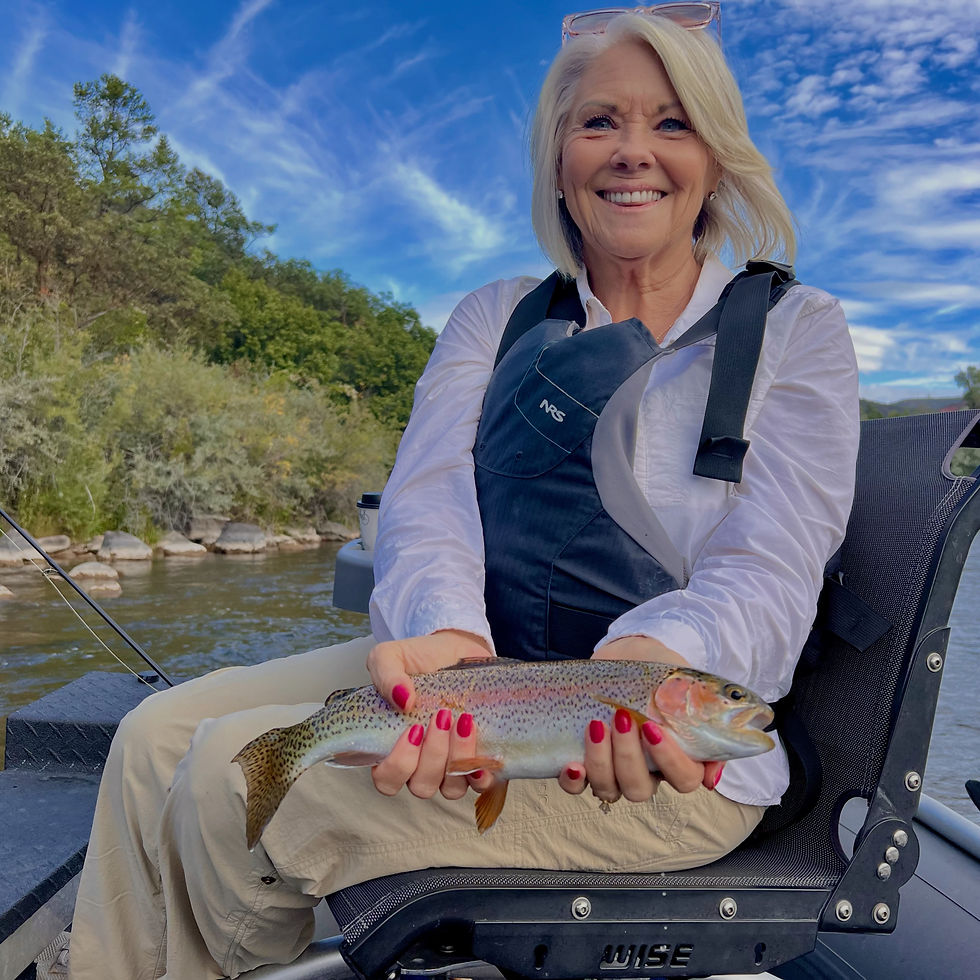
Roaring Fork River: Carbondale to Glenwood Springs
Flow: 260 cfs (Glenwood Springs)
Water Temperature: 55–65°F
Clarity: 5 feet
Fishing Quality:
⭐⭐⭐⭐⭐⭐⭐⭐☆☆ (8/10)
The Roaring Fork has dropped significantly as the additional flow from the Fryingpan has returned to normal levels. Despite the lower water, fishing remains very good.
The stretch from West Bank to Glenwood Springs is borderline for floating under the conditions our guides are reporting. Advanced rowing skills and light raft loads are especially important, and even that combination does not guarantee a passable route.
Low water creates a real risk of getting stuck beside private property. Assess the route before launching, plan conservatively, and avoid a float that would depend on getting out on private land to move your boat.
Carbondale to West Bank is more manageable, but it also warrants caution. Boat choice, load, rowing experience, and the conditions on the day all matter.
A fishing rating of 8/10 describes the bite; it does not mean easy boating.
Trout are concentrating in deeper runs, faster riffles, and drop-offs around structure. With less water spread across the river, spend your time on the current lanes that offer enough depth and cover for trout to hold comfortably.
Hopper-dropper rigs are working well for most applications. Pair a hopper with a light jig-style pattern such as a perdigon or Frenchie, followed by a size 22 Daysaver May in Baetis. The key is enough weight to reach the fish without constantly hanging up in shallow water.
When a deeper run calls for an indicator rig, start with a small indicator and approximately 4 feet to the perdigon, followed by a Daysaver May or Sexi Top May. Adjust from there to match depth and current speed. These small-fly combinations are accounting for much of the action.
There are also excellent opportunities for anglers who enjoy technical dry-fly fishing. Morning Tricos followed by tiny BWOs in sizes 22–24 are keeping trout looking up. During the heaviest activity, fish have been sipping consistently.
Watch the rise rhythm, identify the feeding lane, and avoid lining fish. If your fly repeatedly passes over a feeding trout without a response, check for drag and reassess the stage the fish is eating before simply making another identical cast.
Main Hatches & Timing
● Morning: Tricos and midges. Watch softer water for rising trout; fish small patterns below the surface between rises.
● Midmorning: Tricos and increasing BWO activity. Match the active insect and feeding stage.
● Afternoon: Blue-winged olives. Small Baetis nymphs and emergers; size 22–24 dries when fish are feeding on top.
● Evening: Caddis. Watch seams and softer edges for late surface activity.
Best Dry Flies & Surface Emergers
● Parachute Adams (#22)
● Juan’s 180 Trico (#22)
● Renegade (#20)
Best Subsurface Flies
● RS2 — Black (#22)
● Blindside Midge — Black (#22)
● Hilbert’s Daysaver May — Baetis (#22)
● Hilbert’s Sexi Top May — Chocolate (#22)
● Perdigon — Olive (#18)
● Duracell (#18)
CRO Guide Matt Weldon Pro Tip:
“Match the weight of your rig to each piece of water. A setup that fishes a deep run well can be too heavy in the next riffle. Use light jig flies, adjust depth often, and keep a dry-fly rod ready when the Tricos or BWOs have fish feeding consistently on top.”

Fishery first, even with cooler weather. The reported 55–65°F temperature ranges are encouraging, but conditions vary by reach, weather and time of day. Carry a thermometer and check the water where you are actually fishing.

Our approach remains simple: pay closer attention as temperatures rise, shorten fish handling, and reel up at 68°F. Stop earlier if fish are showing stress or a closure calls for giving the river a break. Cool mornings are welcome, but they do not replace checking afternoon temperatures.
Low water also concentrates fish into smaller areas. Rotate through water thoughtfully, avoid repeatedly working the same disturbed pod, and keep fish wet during release.

Fall Colors Are Here… Let’s Get You on the Water
The fall colors are upon us, and there is not a more beautiful time to be on the water, especially on the Upper Colorado River. Changing cottonwoods, cool canyon mornings, and trout feeding beneath small blue-winged olives make this a season we look forward to all year.
A day with a CRO guide brings more than a box of productive flies. We help choose the right stretch, time the day around feeding activity, adjust rigs as conditions change, and find the water that gives you the best opportunity for the experience you want.
Whether you are hoping to learn hopper-dropper fishing, improve your small-dry-fly presentation, or simply enjoy a beautiful fall float with friends and family, we would love to get you on the water.
Call or text 970-236-1937 to plan your trip, or book online!
Let’s make the most of these fall days.
See you on the water!
— The CRO Team

Comments