


November Hatch Guide for Colorado Fly Fishing

By Brian Hilbert | Colorado River Outfitters
November changes the pace of fly fishing in Colorado. The cottonwoods are mostly bare, the mornings are cold, and some of the best fishing happens in a short stretch of the afternoon. On the Colorado, Eagle, Roaring Fork, and Frying Pan rivers, that can mean nymphing a soft seam at noon, switching to a tiny dry when blue-winged olives show up, and putting a streamer along a deep bank before the light goes flat.

What Hatches in Colorado in November?
Midges and blue-winged olives are the two hatches to watch for. Brown trout eggs, larger subsurface foods, and the prey we imitate with streamers round out our November fly boxes.
1. Midges
2. Eggs from the fall brown trout spawn
3. Blue-winged olives
4. Leeches, worms, and cranefly larvae
5. Baitfish, sculpin, and crawfish for streamer fishing

1. Midges Keep Trout Feeding Through Cold Weather
Midges are my starting point on a cold November day. Even when there’s little activity at the surface, trout can feed on larvae and pupae beneath it. They’re especially valuable when fish settle into slower water and make small movements to intercept food.

How to Identify Midges
The adults look like tiny mosquitoes, with slender bodies and delicate legs. Look for them hovering over quiet water or collecting in sheltered eddies. Larvae are thin and wormlike. Pupae have a fuller thorax and are worth imitating when you see trout flashing or bulging just below the surface.
Midge Life Cycle
Egg → Larva → Pupa → Adult

● Larva - Start close to the bottom with a thin pattern in olive, red, brown, or cream. Fish it through the softer side of a seam where trout can feed with minimal effort.

● Pupa - As the midge pupa ascends to the surface to hatch, trout may move up to intercept them. Shorten your rig or take off a little weight so your fly passes at eye level or just above the fish.

● Adult - Watch the edges of backeddies and slower slicks. If trout are taking midges on top, try a small adult or a Renegade to suggest a cluster.

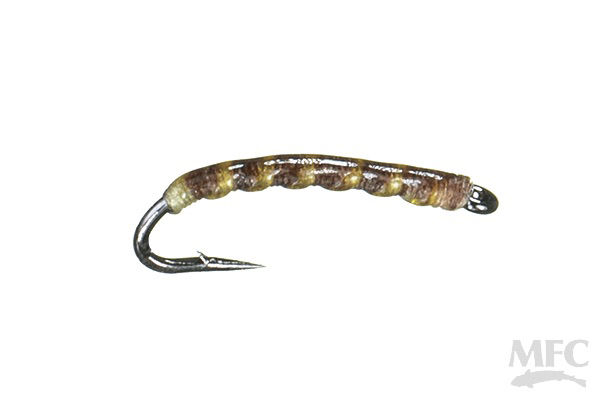

To purchase these patterns, click fly image.
Best Flies for November Midges
● Hilbert’s Daysaver Midge, sizes 20–22 in black, brown, olive, or red. Try cream in size 22.
● Zebra Midge, sizes 20–22 in black or red
● Blindside Midge, sizes 20–22 in black
● Juan’s Pale Ale Midge Larva, size 20
● Griffith’s Gnat, sizes 18-20 for surface clusters
How to Fish Midges in November
Fish the near seam before casting to the middle of the river. Work from the inside out through walking-speed runs, soft edges, and deeper pockets beside the main current. A small midge behind a weighted leech or cranefly larva is a good way to find depth without crowding the rig with weight.
CRO guide tip from Sam Kinney:
“When midges are hatching, adjust your depth and weight before changing flies, especially in deeper runs and pools. Trout are always looking up and if you’re tapping bottom while the fish are suspended, they’ll never find your flies.”

2. Eggs and the Brown Trout Spawn
Brown trout spawn in the fall, and the timing varies from river to river. Some fish may still be on redds in November. A redd can also hold developing eggs long after the adults have moved away. Stray eggs sometimes wash into deeper feeding water, where non-spawning trout can pick them off.

How to Identify a Redd
A redd is a nest trout excavate in gravel. Look for an oval patch of freshly cleaned gravel, often with a shallow depression and a small mound of displaced gravel. Shallow riffles and the tails of pools are good places to look before you step in. Paired fish holding over clean gravel or a trout turning on its side to dig are reasons to give the area room.
Fishery First During the Spawn
● Leave spawning trout and fish holding on redds alone.
● Give clean gravel patches a wide berth when wading or anchoring, even if they look empty.
● Fish separate runs and pools where trout are holding and feeding away from spawning habitat.
● Keep fish wet, handle them gently, and release them promptly.


To purchase these patterns, click the fly image.
Best Egg Patterns for November
● Hans’ Sunny Side Up Egg
● Nuke Egg
● Glo Bug
Start with a small peach, pale orange, or light pink egg. In clear water, a small profile is a good first choice. Fish it at the speed of the current through a deeper run, with a midge pupa or midge larvae behind it.
Pro tip from CRO guide Alex Millinno:
“An egg followed by a small baetis and a midge gives you three distinct food profiles where a three-fly rig is permitted. Fish it through a separate feeding run with enough depth for the flies to travel naturally.”

3. Blue-Winged Olives Can Bring Trout to the Surface
November blue-winged olive hatches can be brief, but a cool, overcast afternoon can still bring trout up in the Vail Valley and across western Colorado. Carry a few tiny dries even if you expect to spend most of the day nymphing. A single fish rising steadily along a soft edge is all the hatch you need.

How to Identify Blue-Winged Olives
Look for tiny mayflies with upright slate-gray wings and slender olive, gray, or brown bodies. The wings make them look like little sailboats. Beneath the surface, baetis nymphs have a narrow, streamlined profile. If you see flashes or soft bulges before you see floating duns, trout may already be on nymphs or emergers.
Blue-Winged Olive Life Cycle
Egg → Nymph → Dun → Spinner

● Nymph - Fish a slim baetis through riffle drops and seams before the hatch. A Daysaver May (pictured above) is a good choice when fish are feeding below the surface.

● Emerger - The transition from nymph to dun puts vulnerable insects just under or in the surface film. A Barr’s Emerger or Sexi Top May covers this stage when trout are bulging beneath the surface.

● Dun - When trout are visibly taking upright adults, put a low-riding Sparkle Dun in the same lane as the naturals. Adults resemble mini sailboats on the surface.

● Spinner - Spent mayflies lie flat with their wings spread. Carry a small spinner for those times when fish keep feeding on flat-winged insects.


To purchase these patterns, click fly image.
Best Flies for November Blue-Winged Olives
● Hilbert’s Daysaver May in BWO or gray baetis, size 22
● Juju Baetis in olive, sizes 20–22
● Barr’s Emerger, sizes 20–22
● Hilbert’s Sexi Top May in BWO, size 22, or chocolate, sizes 22–24
● Sparkle Dun, sizes 22–24

How to Fish Blue-Winged Olives in November
Start with a standard nymph rig with an anchor fly with appropriate sized tungsten bead like a Philly Cheese Cranefly or Mayer’s Leech. Tie a 12”-14” piece of tippet off your anchor fly to a bwo nymph like a Day Saver May. I like running two day savers, one in standard bwo and one in grey baetis. The fish will tell you which they prefer.
Watch the quieter edges of the run as the day warms. When fish begin feeding higher, try a shallow emerger like a Sexi Top May. Once they’re taking duns, a 9- to 12-foot leader with 5X or 6X tippet is a practical starting point for a drag-free dry-fly drift. My favorite bwo dry fly is a sparkle dun.
CRO guide Brian Hilbert pro tip:
“Watch one trout rise three or four times before casting. You’ll see how far it moves for food and how often it feeds. That tells you where to put the fly and when to make the cast.”

4. Leeches, Worms, and Cranefly Larvae
A bigger lead fly earns its place on days when trout are feeding close to the bottom and there’s little hatch activity. These three patterns give you different profiles to try while keeping a small midge or baetis in the drift.

Leeches
A Mayer’s leech is one of my favorite November lead flies. Black, olive, and brown cover most situations. Dead-drift it leech along the soft side of a seam, through a riffle or work it slowly through a pool with short pulls and long pauses. I prefer my leeches in sizes 10–14.

Worms
A size 14 San Juan Worm is a good option when you need to show fish a different profile. Try red or brown in clear water and consider pink when the water has some color. Give it a natural drift along the bottom edge of the current where fish can pick it up without moving far. Worms are a great imitation 365 days a year.

Cranefly Larvae
Cranefly larvae have thick, segmented bodies and can turn up around soft banks and suitable bottom habitat. My Philly Cheese Cranefly in sizes 6–10 is a favorite for imitating that fleshy profile. Use a tungsten version to get down in deeper runs and a lighter version where the heavy fly keeps hanging up.


To purchase these patterns, click fly image
CRO guide Matt Weldon pro tip:
“I’ll almost always have a cranefly larvae, leech or worm on my rig in November. I’ll then tie off two hatch matching flies below the big fly and rotate those throughout the day to match what’s happening on the river. More often than not, the big fish eat the big offering!”

5. Streamer Fishing With Baitfish, Sculpin, and Crawfish
November streamer fishing is about targeting big trout, looking for an opportunistic meal. A deep slot beside a boulder, an undercut bank, or a soft pocket off the main current gives these trout somewhere to hold and a short distance to pounce on prey. On colder days, give the fly time to reach the fish and stay in that holding water.
What Are You Imitating?

● Baitfish - Slim white, silver, or olive patterns suggest small fish. Try a cross-current swing or a couple of short strips followed by a pause at the edge of cover.

● Sculpin - Use a broad-headed, mottled olive or brown pattern close to the rocks. Short pulls with pauses suggest a bottom-dwelling fish darting between hiding places.

● Crawfish - Where crawfish are present, work an olive, brown, or rusty pattern along rocky bottom. A short hop followed by a pause gives it time to settle. My Mud Hustler is an option for a slower drift through shallow rocky water. I also like using the Mud Hustler as a second streamer behind a larger imitation.
Best Streamers for November
● Kreelex or Sparkle Minnow for a bright baitfish profile
● Barely Legal for a larger minnow profile
● Thin Mint or She Demon Bugger for a compact presentation
● Sex Dungeon for a broad, articulated profile around deeper cover
● Hilbert’s Mud Hustler or a weighted crawfish pattern for working near the bottom
Streamer Gear and Strategy
A 6- or 7-weight rod with a short, stout leader and roughly 0X–2X tippet handles many of these patterns. A floating line and weighted fly cover a lot of water. Reach for a sink-tip when current or depth keeps your fly above the holding lane.
Start with short strips and a pause. Try a slow swing or a longer pull if that first retrieve gets no attention. Fish deep bank slots, submerged wood, and boulder pockets well away from redds and actively spawning trout.
CRO guide Matt Fletcher pro tip:
“If a trout follows and turns away, quickly give it another cast with a longer pause. Stay in contact with the fly during the pause so you can feel the take.”

How Weather Affects November Fishing in Colorado
● Cold mornings. Start with a midge in a deeper run or a soft inside seam. After a hard freeze, late morning can be a better starting time than first light.
● Late morning into afternoon. Watch for a shift from bottom feeding to suspended fish and surface activity. Keep an emerger and a dry close at hand.
● Clouds or light snow. Watch for BWOs in softer water. If nothing is rising, subdued light can make a streamer fishing around cover worthwhile.
● Bright and clear. Start with a careful approach and small flies. Fish deeper seams and shaded edges, then check back for surface activity during the warmest part of the day. If streamer fishing, work the deeper water with a sink tip, fish tend to move away from the bank on sunny days.
What Flies Should You Carry for Colorado in November?
● Size 20–22 midge larvae and pupae, plus a small adult or cluster dry
● Size 20–24 BWO nymphs, emergers, and dries, with size 22 as a starting point
● Small peach, pale orange, or pink egg patterns
● Mini leeches, size 14 San Juan Worms size 14, and size 6–10 Philly Cheese Cranefly larvae
● A slim baitfish streamer, a heavier sculpin, and a crawfish imitation

Why November Is Worth Fishing in Colorado
November gives you time to slow down and fish a good run thoroughly. You can work a seam with a midge, step back and watch for risers, then pick up the streamer rod when the light changes. The river looks different after the leaves come down, with bare cottonwoods, snow on the ridges, and long afternoon shadows across the pools.
Where to Fly Fish in Colorado During November

Colorado River
When flows and access favor a float, the Colorado lets you cover deep banks, boulder pockets, and long runs in the same day. Bring a streamer rod for the banks and a midge rig for the slower seams. Our biggest fish of the season often come from the lower Colorado during the shoulder seasons.

Roaring Fork River
The Fork offers riffle drops, boulder pockets, and softer edges where fish can hold out of the main current. Look for trout feeding on small nymphs through deeper runs and check the slow edges for BWOs when clouds move in. The Roaring Fork is an excellent option year-round.

Eagle River
The Eagle rewards a patient wade and a careful approach in clear fall water. Work inside seams and deeper slots first. Abundant midge hatches happen throughout the fall and winter. This river offers exceptional November fishing.

Frying Pan River
The Frying Pan below Ruedi Reservoir is a good choice if you enjoy technical tailwater fishing. Bring small midges and baetis, watch where trout are feeding in the water column, and spend time getting the drift right.

Book a November Float or Wade Trip With Colorado River Outfitters
On a November float, we can cover a variety of water and look for trout holding around banks, rocks, and deeper current seams. On a guided wade, we can take our time working individual runs, dialing in your nymph rig, or waiting for the first fish to rise. We choose the water and trip style around flows, weather, access, and what you want to work on.
Whether it’s your first time fly fishing or you want to spend the day learning how to fish a streamer, we’d love to get you out on the water.
Call or text 970-236-1937 or book your guided fly fishing trip online.
Colorado November Fly Fishing FAQ
What insects hatch in Colorado in November?
Midges are a reliable cold-weather hatch, and blue-winged olives can still come off during suitable conditions, especially on cool, overcast afternoons. The timing and intensity vary by river and weather.
What are the best flies for Colorado in November?
Start with a size 20–22 midge and a size 22 BWO nymph or emerger. Carry small eggs, leeches, worms, and cranefly larvae for deeper drifts, plus a few streamers for fishing cover.
Is November a good month to fish streamers for larger trout?
Yes. Pick water that gives trout both cover and an easy chance to intercept the fly. Fish around deep banks and boulder pockets, slow down your retrieve when the water is cold, and give spawning fish plenty of room.
What time of day is best for November fly fishing?
Late morning through midafternoon is a good starting window, especially after a cold night. Cloud cover and water temperature can change the timing, so watch for insects and fish movement as the day progresses.
Can you fish egg patterns responsibly in November?
Yes. Fish them through separate feeding water away from spawning trout and redds. Leave clean gravel patches undisturbed even when you see no fish, and check the rules for the stretch before using a pegged bead.
Should I book a float or wade trip in November?
A float lets you cover more river when flows and access are suitable. A wade lets you spend more time on individual runs and take advantage of a short hatch. We can help you choose based on conditions and the kind of fishing you want to do.
Make the Most of November on the River
Start in the softer water with a midge and a bigger lead fly. Keep an eye on the surface as the day warms. If a trout starts rising, take a minute to watch it before you make your first cast. A few good drifts through the right lane can make a cold afternoon worth the trip.
Good luck out there!
—The CRO Team
Wix publishing details
● SEO title — November Hatch Guide for Colorado Fly Fishing | CRO
● URL slug — november-hatch-guide-colorado-fly-fishing
● Meta description — Learn what trout eat in Colorado in November, from midges and blue-winged olives to eggs and streamers, with fly picks and tips from Colorado River Outfitters.
● Category — Colorado Hatch Guide
● Suggested tags — Colorado Hatch Guide, November Fly Fishing, Vail Valley Fly Fishing, Blue-Winged Olive Hatch, Colorado River Fly Fishing, Fall Fly Fishing Colorado


Comments