


June Hatch Guide: A Complete Guide to Colorado's Hatches in June

June is one of the most exciting months of the year for Colorado fly anglers. Rivers are transitioning from spring into summer, runoff conditions vary from watershed to watershed, and trout have a diverse menu of aquatic insects available throughout the day.
Whether you're fishing the Eagle River, Colorado River, Roaring Fork River, or your local tailwater, understanding what insects are active and how trout feed on them can dramatically increase your success on the water.
In this guide, we'll break down the most important June hatches in Colorado, including their life cycles, appearance, timing, and how to imitate them effectively.

Midges
Overview
While many anglers associate midges with winter fishing, they remain an important food source throughout June. Midges hatch every month of the year and continue to provide consistent opportunities for trout, especially during slower periods between larger hatches.
Because midges are abundant and available year-round, trout rarely ignore them.

Life Cycle
Midges undergo a four-stage life cycle:
Egg
Larva
Pupa
Adult
The larval stage lives in the river bottom where trout feed on them constantly. As they mature, they rise through the water column as pupae before emerging into adults on the surface.
Most trout feed heavily on the pupal stage because the insects become vulnerable while ascending to the surface.

What They Look Like
Midge larvae are small, worm-like insects typically ranging in color from:
Red
Olive
Brown
Cream
Adult midges resemble tiny mosquitoes and generally range from size 18-24. Most commonly, midge adults are:
Black
Cream
Olive
When They're Most Active
Early morning through late morning.
Cloudy days and sunny days
Cooler weather
Top Fly Patterns
Hilbert’s Day Saver Midge Size 20-22
Easdon’s Blindside Midge Size 20-22
Juan’s Pale Ale Midge Size 18-20

Blue Wing Olives (BWOs)
Overview
Blue Wing Olives are one of Colorado's most important mayflies and continue to hatch throughout June, especially on overcast days.
Even when larger insects are present, BWOs remain a staple food source for selective trout.
Life Cycle
Blue Wing Olives follow a three-stage life cycle:
Nymph
Emerger
Dun (Adult)
After hatching, adult insects rest briefly on the water before flying to streamside vegetation where they mature and eventually return to lay eggs.

What They Look Like
BWO nymphs are:
Slender
Olive to brown in color
Dark wing case
Adults typically feature:
Olive body
Gray-blue wings
Sizes 18-22

When They're Most Active
Noon to 4:00 PM
Overcast days
Light rain
Cooler afternoons
Top Fly Patterns
Hilbert’s Day Saver May BWO size 18-22
Hilbert’s Sexi Top May size 18-22
Barrs Emerger size 18-20

Pale Morning Duns (PMDs)
Overview
Pale Morning Duns are one of Colorado's premier summer hatches and become increasingly important throughout June.
Large PMD hatches can create some of the most technical and rewarding dry fly fishing of the year.
Trout often become highly selective during PMD activity, feeding heavily on emerging insects and adults trapped in the surface film.

Life Cycle
PMDs follow the classic mayfly life cycle:
Nymph
Emerger
Dun
Spinner
The nymphs spend most of their lives in riffles and moderate currents before emerging and drifting helplessly toward the surface. Trout love to feed on PMD nymphs swimming helplessly towards the surface.
What They Look Like
Nymphs:
Dark brown
Tan
Olive-tan coloration
Adults:
Pale yellow or amber body
Cream or grey-colored wings
Sizes 14-18
Spinner falls often occur during evening hours.

When They're Most Active
Late morning
Early afternoon
Typically 11:00 AM to 3:00 PM
Top Fly Patterns
Hilbert’s Day Saver May PMD 18-16
Hilbert’s Sexi Top May PMD 18-16
Keller’s Ms. Tickle Cripple 18-16

Caddis
Overview
If there is one hatch that defines the beginning of summer in Colorado, it's caddis.
Massive caddis emergences can blanket entire river corridors and produce incredible dry fly fishing. Trout often feed aggressively during these events and can become less selective than during mayfly hatches.
Life Cycle
Caddis undergo a complete metamorphosis:
Egg
Larva
Pupa
Adult
The pupal stage is particularly important because caddis pupae swim rapidly toward the surface.
This movement often triggers aggressive feeding behavior from trout.

What They Look Like
Larvae:
Green
Tan
Cream
Amber
Pupae:
Bright green
Olive
Tan
Amber
Adults resemble small moths and feature tent-shaped wings.
Most June adult caddis range from:
Size 14-18
Tan
Olive
Gray
Brown
When They're Most Active
Afternoon
Evening/Night
Sunny days
Peak activity often occurs from:
2:00 PM until after dark
Top Fly Patterns
Juan’s Kryptonite Caddis size 16-14
Lafontaine’s Sparkle Pupa size 16-14
Elk Hair Caddis size 16-14

Golden Stoneflies
Overview
Golden Stoneflies are among the largest aquatic insects trout encounter throughout June.
These insects provide trout with a substantial meal and often trigger ferocious subsurface strikes and explosive surface takes.
Golden Stones become particularly important during runoff conditions due to the active nymphs being washed away in the current.
Life Cycle
Golden Stones have one of the longest life cycles of any aquatic insect.
Egg
Nymph
Adult
Nymphs spend up to three years living among rocks in fast-moving water before crawling onto shore to emerge.
Unlike mayflies and caddis, stoneflies do not emerge directly on the water.

What They Look Like
Nymphs:
Dark brown
Amber
Golden yellow
Adults:
Bright golden-yellow body
Long antennae
Flat wings laying across their back
Sizes typically range from:
6-12
When They're Most Active
Midday
Afternoon
Warm sunny days
Adults are often most active along grassy banks and streamside vegetation.
Top Fly Patterns
Pats Rubber Legs size 12-8
Twenty Incher Stone size 12-8
Henry’s Fork Stone size 12-8

Yellow Sallies (Late June)
Overview
Yellow Sallies are smaller cousins of Golden Stoneflies and become increasingly important toward the end of June.
These insects often go overlooked by anglers, but trout feed on them eagerly. Yellow Sallies are clumsy insects and trout love to pounce on an easy meal on the surface.
Life Cycle
Like all stoneflies:
Egg
Nymph
Adult
The nymphs live among rocks and emerge by crawling onto shore before transforming into adults.

What They Look Like
Nymphs:
Yellow-brown
Olive-yellow
Adults:
Bright yellow body
4 wings
Slender profile
Most range from:
Size 14-18
When They're Most Active
Afternoon
Evening
Warm sunny days
Look for activity around grassy banks and slower water adjacent to riffles.
Top Fly Patterns
Iron Sally size 18-14
Two Bit Sally size 18-14
Galloup’s Butch Sally size 18-14

Putting It All Together
One of the biggest mistakes anglers make in June is focusing on only one hatch.
Successful anglers constantly observe:
Water temperatures
Time of day
Weather conditions
Insect activity
Trout feeding behavior
On any given June day, trout may feed on midges in the morning, PMDs during midday, caddis throughout the afternoon, and all three along grassy banks in the evening.
Understanding these transitions is often the difference between a good day and a truly exceptional day on the water.
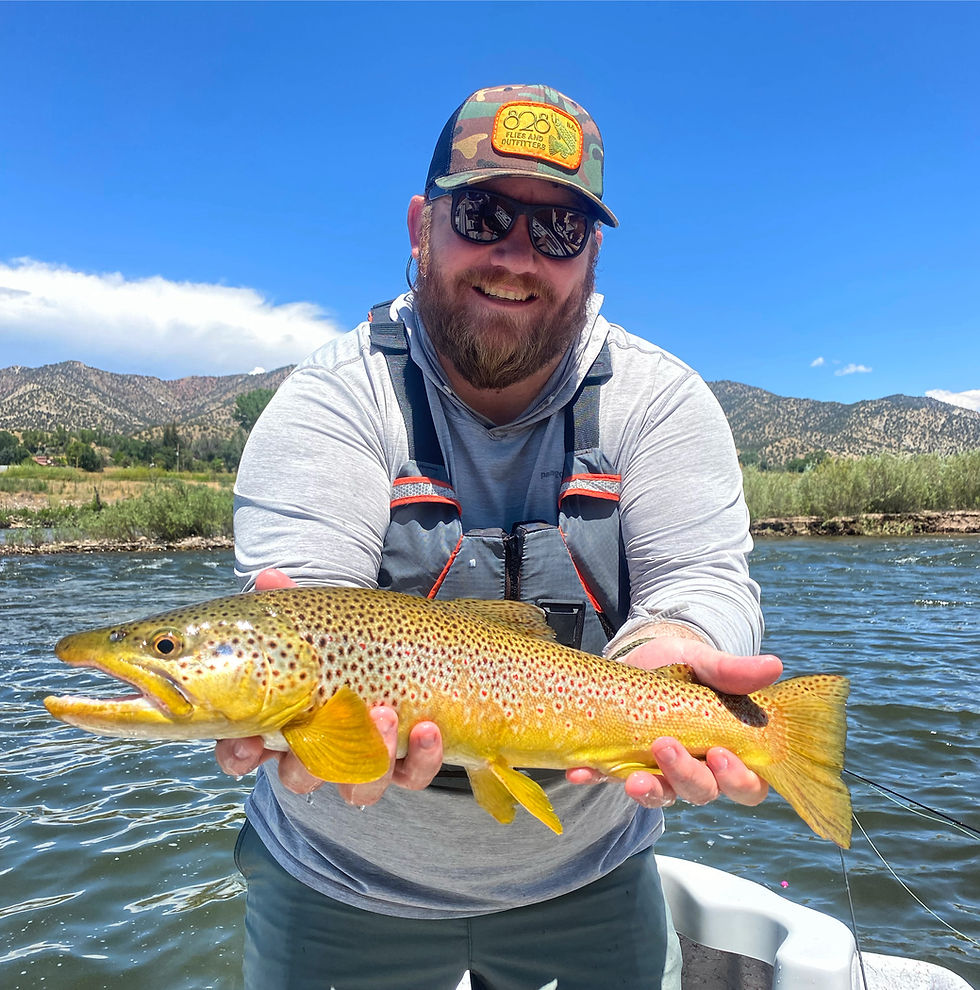
Learn Colorado Entomology on the Water with a CRO Guide
Reading about insects is a great start, but nothing accelerates your learning faster than spending a day on the river with an experienced Colorado River Outfitters guide.
Our guides spend hundreds of per year on Colorado's rivers studying hatches, observing trout behavior, and helping anglers understand what fish are feeding on and why.
During your trip, we'll teach you:
How to identify aquatic insects
How to match the hatch
How trout feed during different stages of emergence
Fly selection strategies
Seasonal hatch timing
Rigging and presentation techniques
Whether you're a beginner or experienced angler, improving your understanding of entomology will make you a better fly fisher for life.
Ready to take your hatch knowledge to the next level? Give us a call or text at
970-236-1937 or click the button below!
Stay Connected with Colorado River Outfitters
Want more hatch information, fishing reports, fly tying tutorials, and on-the-water education?
Follow Colorado River Outfitters on:
Our YouTube channel features fly tying tutorials, hatch-specific fly recommendations and expert tips from our team of professional Colorado fly fishing guides.
Be sure to subscribe and follow along as we bring you the latest fishing conditions and hatch updates throughout the season.
We'll see you on the water!
-The CRO Team
For live river conditions, click the banner below!


What a great write up. Excited to apply this to a trip to Conejos river end of June.